Angkor Archeological Park
Krong Siem Reap, Cambodia
About
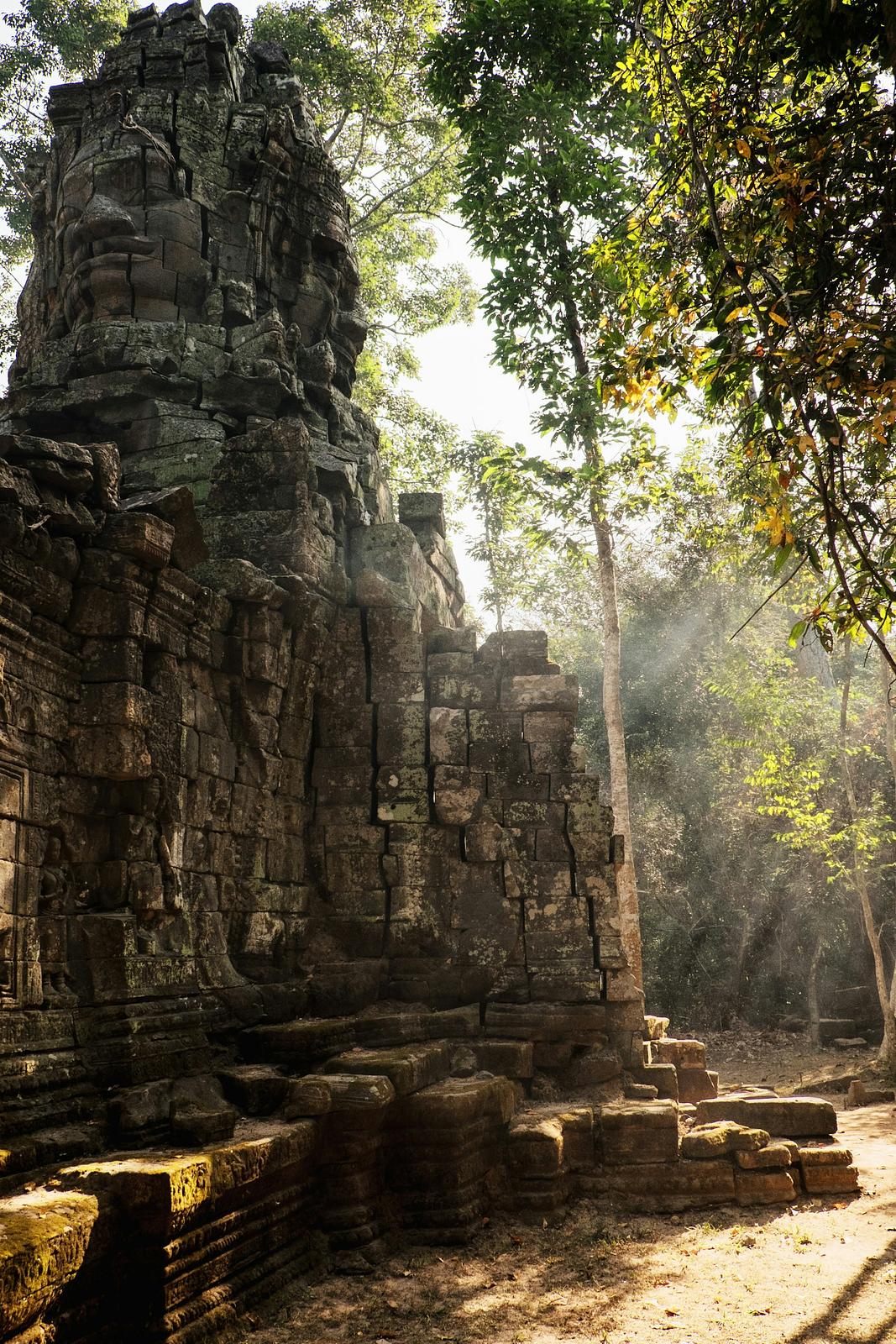
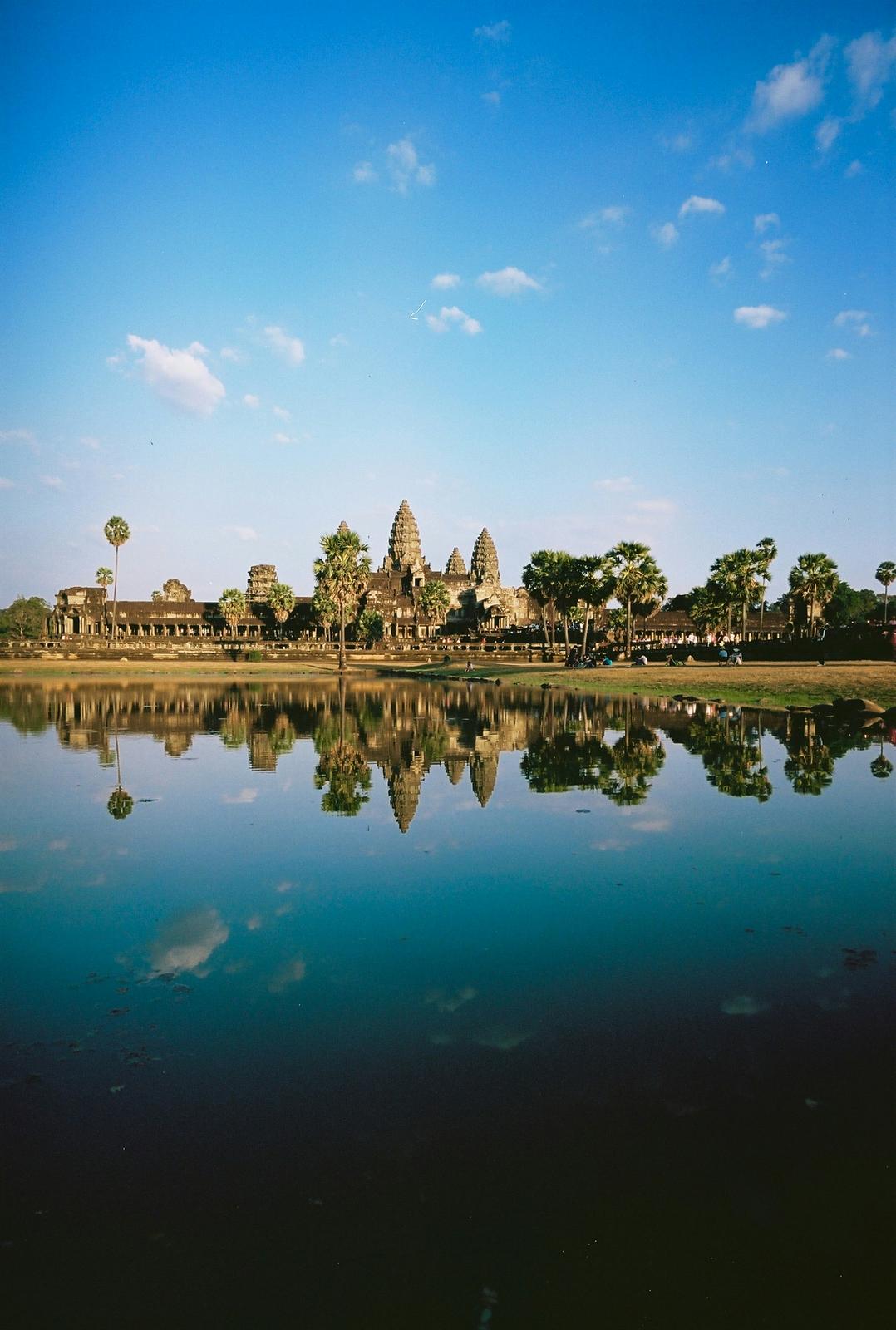
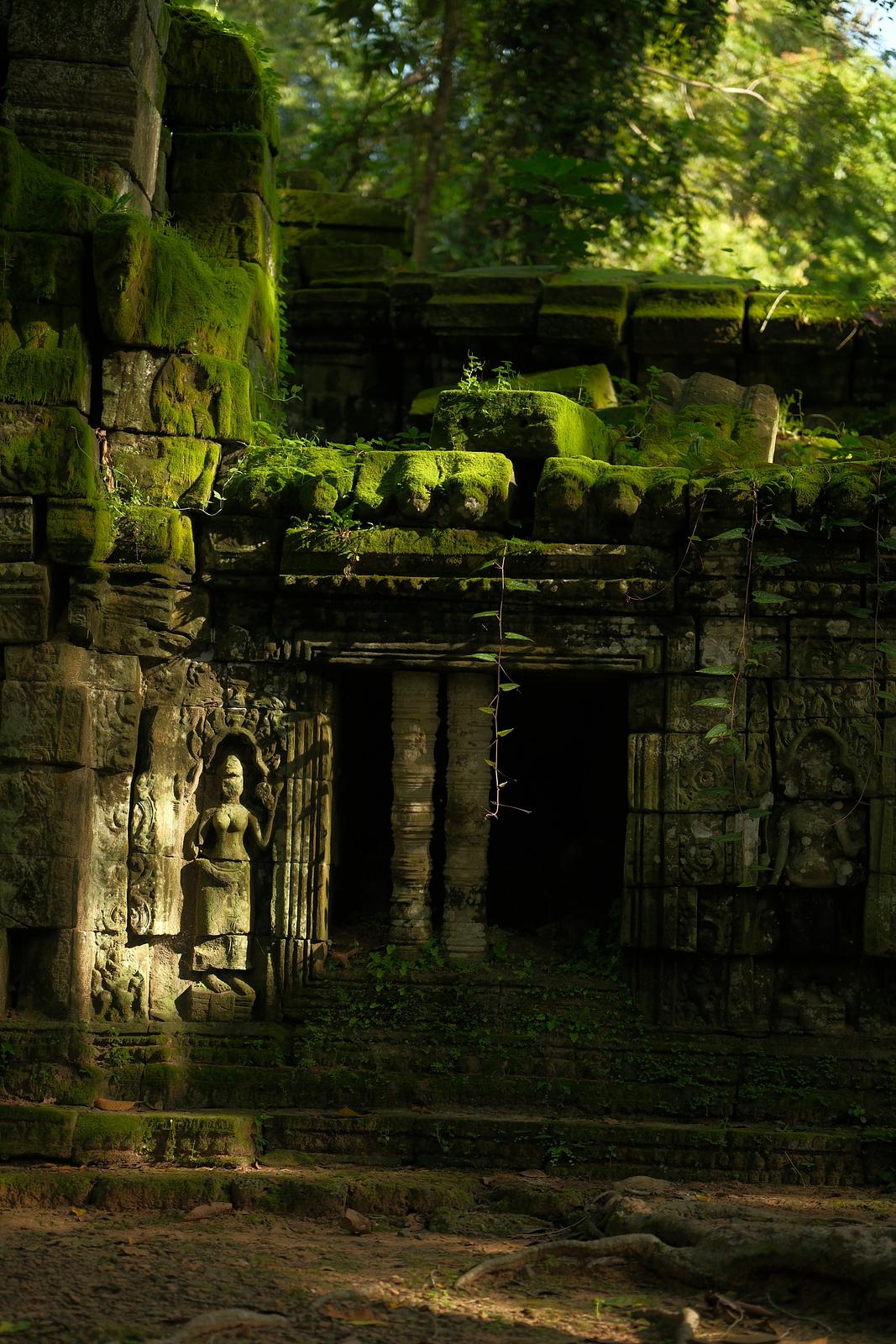
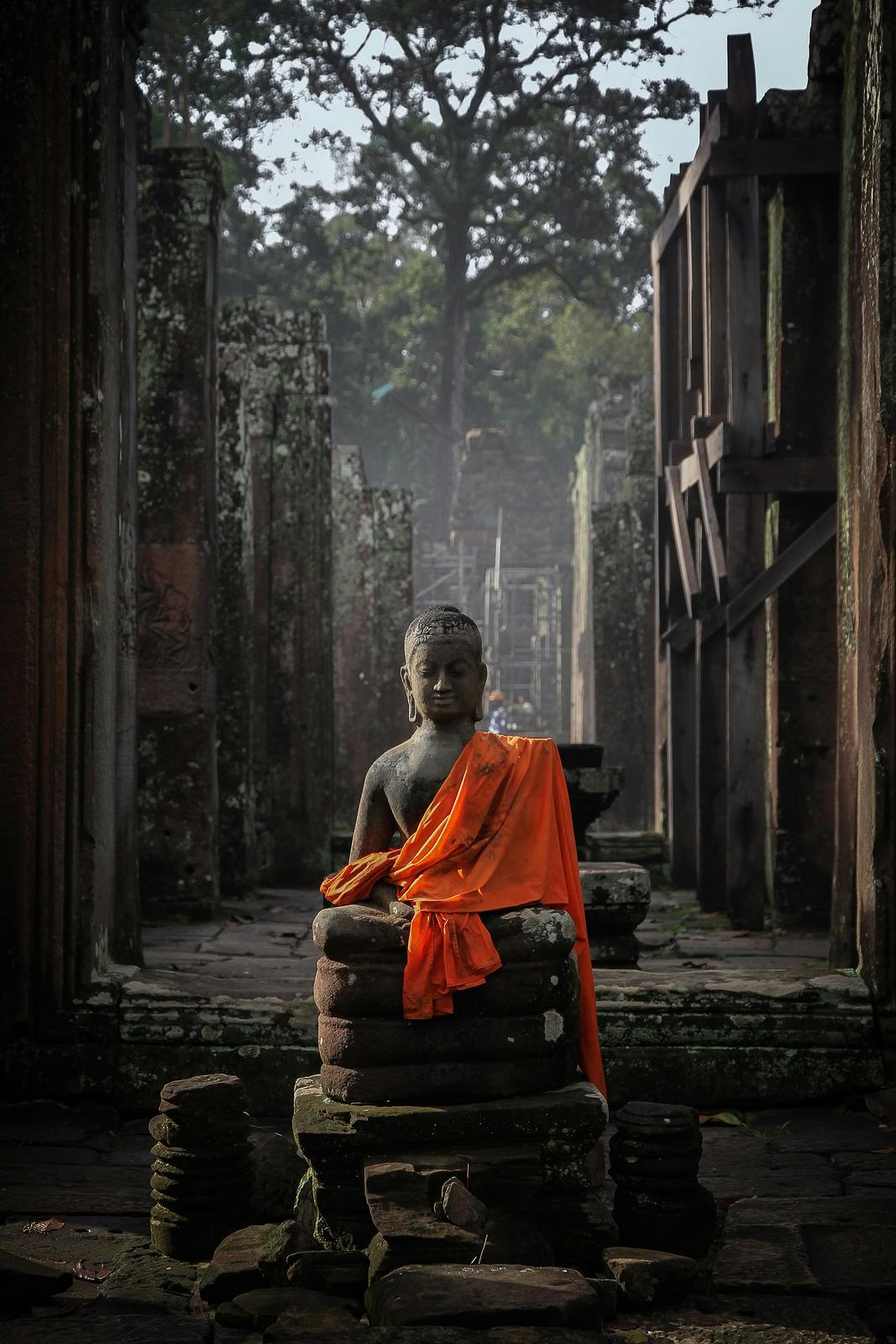
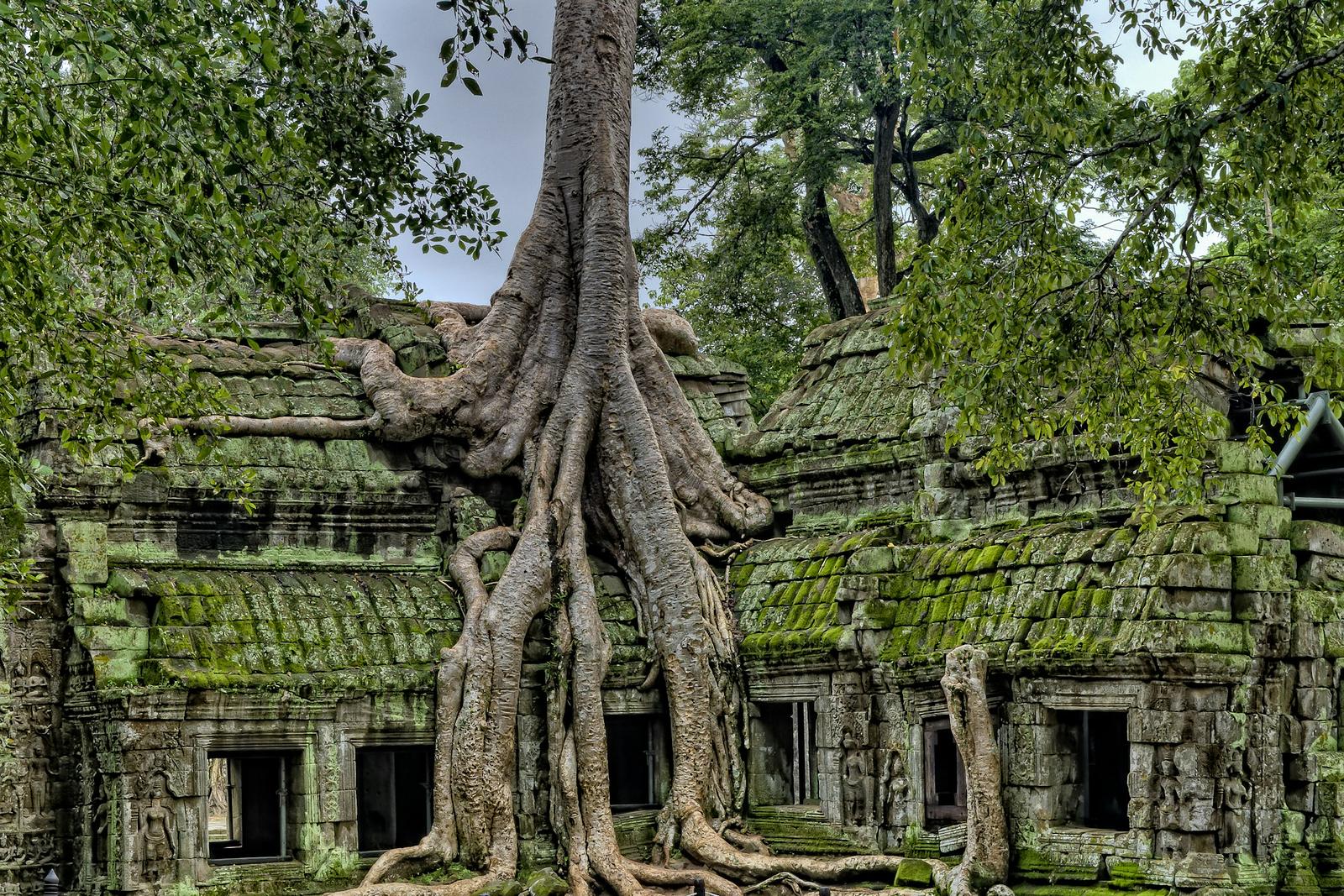
Angkor Wat is where everyone begins, and for once the crowd is right. Arrive before sunrise and you first see almost nothing: a dark outline, a few towers, the long black sheet of the moat. Then the sky lifts, the five towers sharpen, and this 12th century temple, built for King Suryavarman II and originally dedicated to Vishnu, performs the trick it has been doing for nine hundred years. It makes human scale feel slightly ridiculous. The funny thing is that Angkor Wat faces west, while most Khmer temples face east. So there you are, joining the world’s most famous sunrise ritual at a temple tied to the setting sun. Angkor has a habit of doing that: giving you beauty first, then complicating it. The galleries are not decoration but carved theatre, with battles, gods and cosmic myths running along the stone. The moat is not just scenic. It is part of a civilisation that thought in water, geometry and power. And then you leave Angkor Wat and realise the postcard was only the lobby. At Angkor Thom, the approach is pure imperial choreography: gods and demons pulling at a serpent, a gate high enough to make you sit up in the tuk tuk, and then Bayon, with its great faces looking down in every direction. They are calm, amused, impossible to fully read. Devotion, politics, surveillance, royal vanity: choose your flavour. The faces do not explain themselves, which is precisely why they stay with you. Ta Prohm changes the temperature again. The roots gripping its walls are famous, almost too famous, but the place still works because the drama is real. Stone and forest are locked in a slow argument. Better still, its story is unexpectedly tender: Jayavarman VII linked its central image to wisdom and to his mother. Suddenly the so called jungle temple is not just a ruin being swallowed by trees. It is memory, architecture and family, left out in the heat. The real shock of Angkor comes later, when the temples begin to connect in your mind. Modern mapping has shown that this was not a scattering of beautiful ruins, but a vast engineered city shaped by canals, reservoirs, roads and water control. You come expecting towers. You leave thinking about an entire civilisation arranging stone, water, faith and authority across the Cambodian plain. Very few places in the world expand like that while you are visiting them.
Contact
- Phone
- +855 63 765 577
- Website
- Visit website
Location