Chernobyl / Pripyat
Pryp'yat', Kyiv Oblast, Ukraine
About
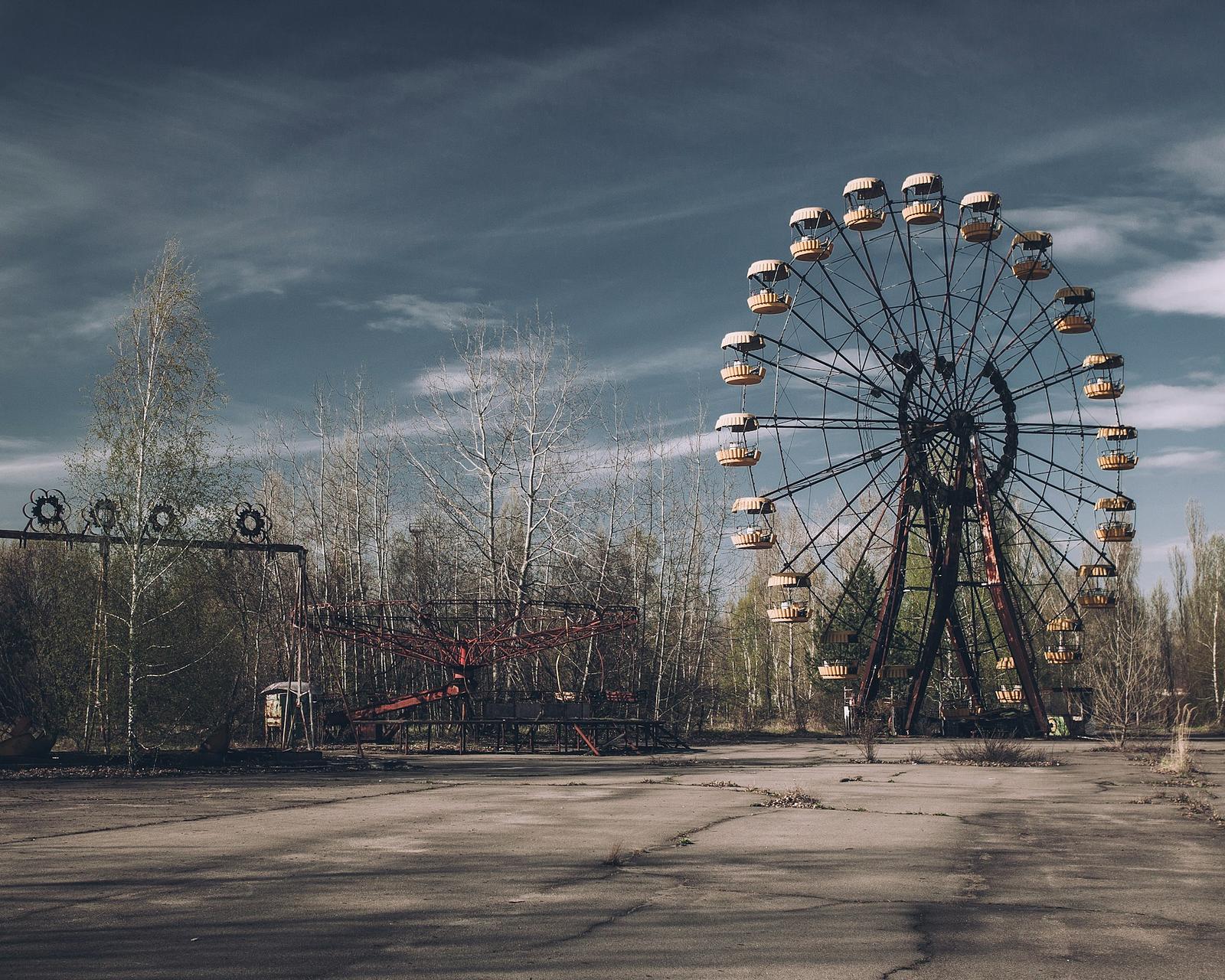
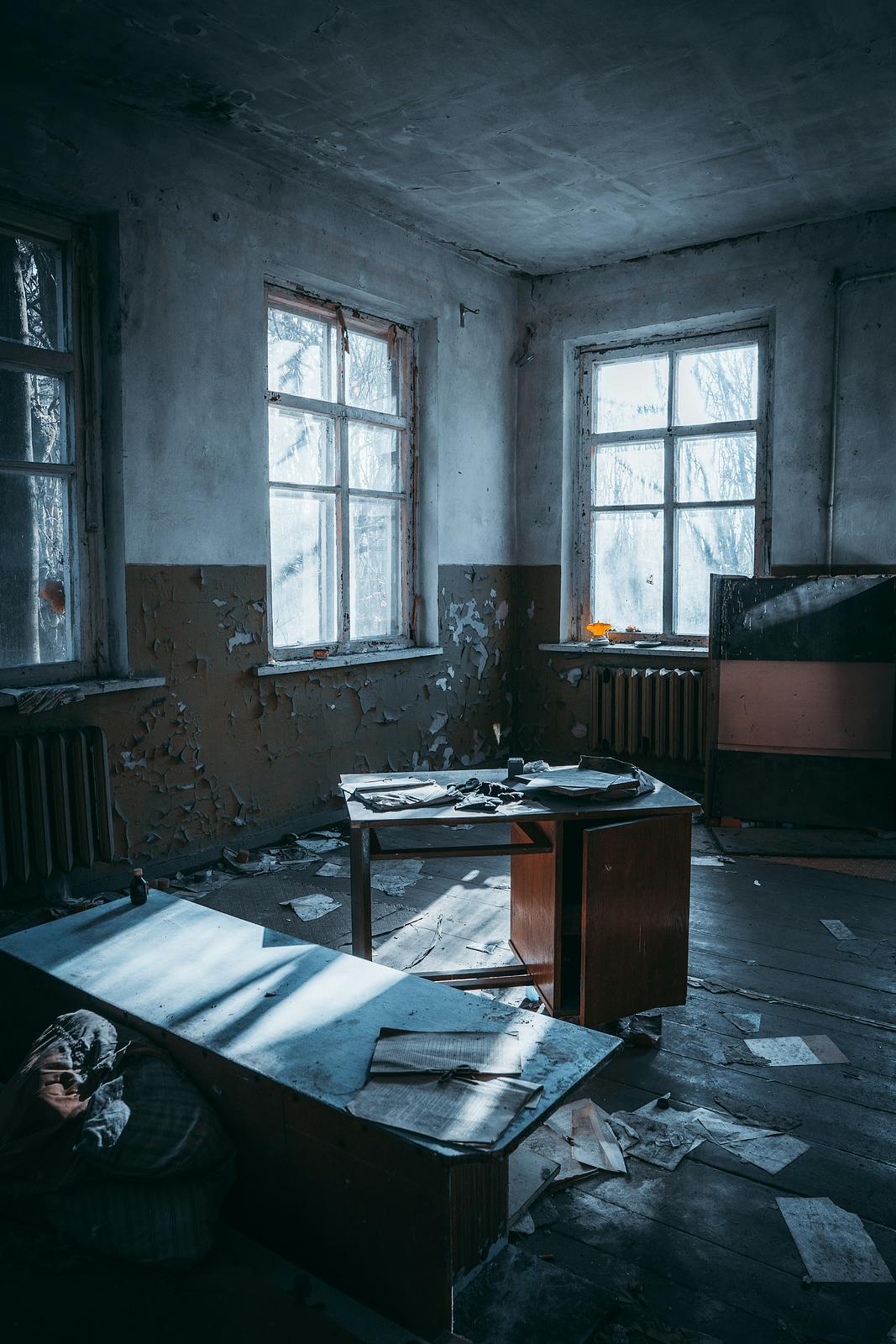
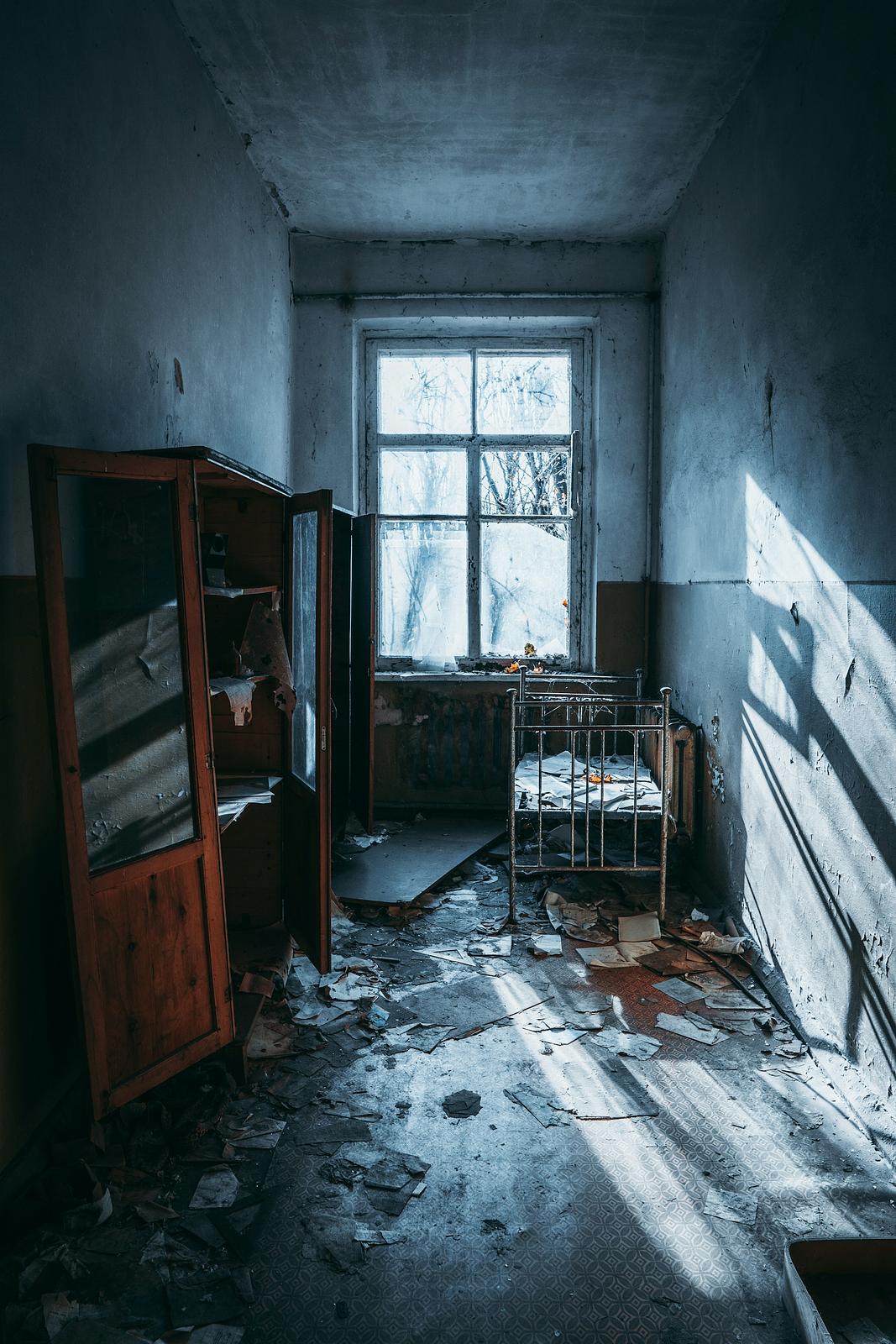
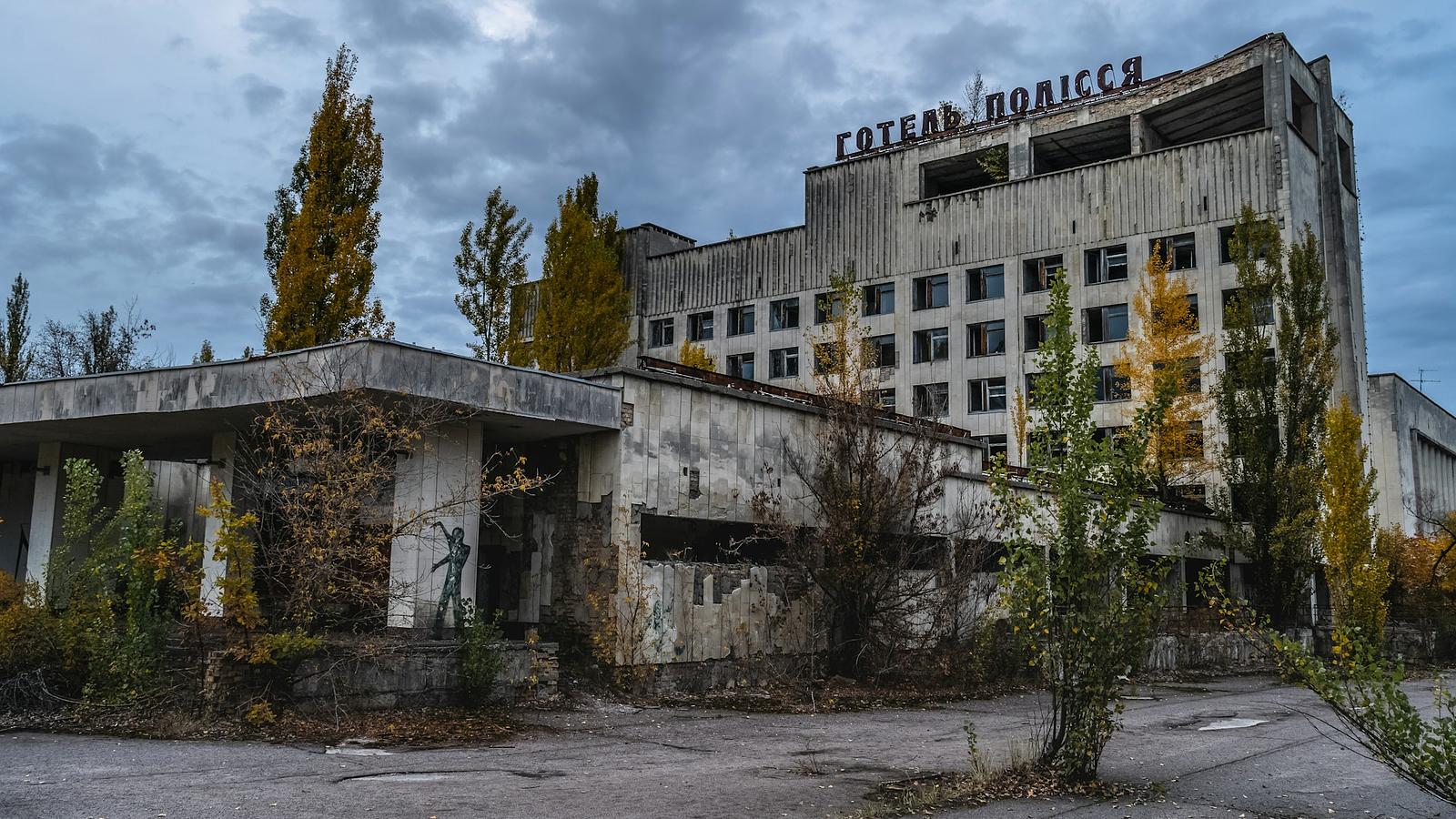
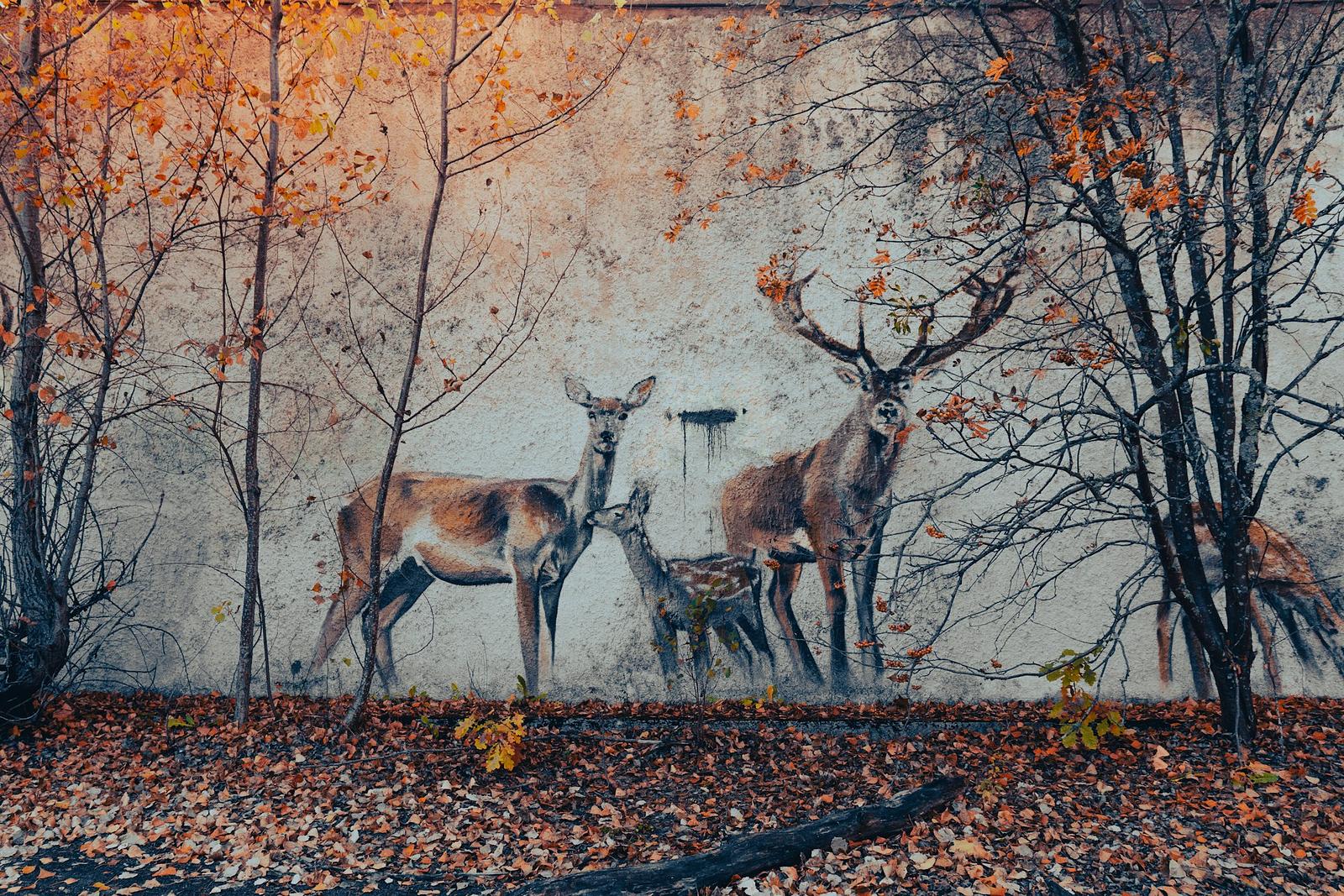
Most people say Chernobyl, but the place that tends to stay in your mind is Pripyat. Built in 1970 for workers of the nearby nuclear plant, it was one of the Soviet Union’s proud new cities. Wide avenues, apartment blocks, sports halls, cafés and mosaics celebrating science and progress. The average resident was only around twenty five years old. Young engineers arrived with young families believing they had landed in a very practical version of tomorrow. Then, on 26 April 1986, Reactor No. 4 at the Chernobyl Nuclear Power Plant exploded during a night time safety test. The details become stranger the more you learn. Life in Pripyat did not stop immediately. People went outside. Children played. Residents stood on balconies watching an unusual glow above the plant. Buses only arrived roughly 36 hours later and people were told to pack lightly because they would be back in a few days. Before the war closed the area, visitors often arrived expecting a disaster site and ended up talking about the city itself. School books still sat open in classrooms. Basketball hoops hung in empty sports halls. Trees had pushed through concrete floors. Then there is the ferris wheel, probably the most photographed object in the zone. It became a symbol of Chernobyl despite a curious detail: it never really opened. It was supposed to welcome visitors for May Day celebrations only days after the evacuation. Perhaps the most unsettling detail is how ordinary it all feels. A city built to prove confidence in the future now stands surrounded by forests and wild horses that gradually moved in after people left.
Contact
- Website
- Visit website
Location