Historic Sanctuary of Machu Picchu
08680, Peru
About
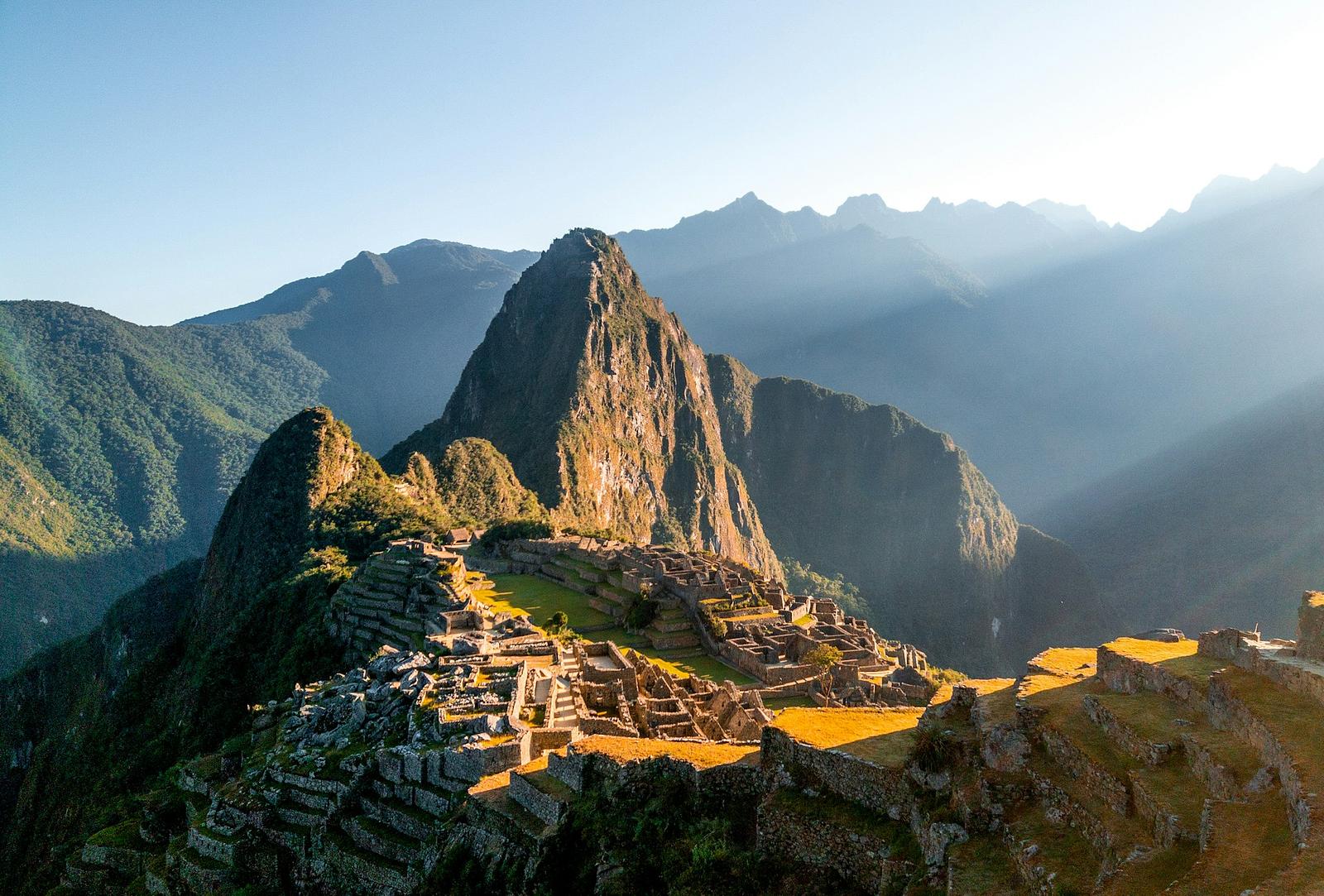
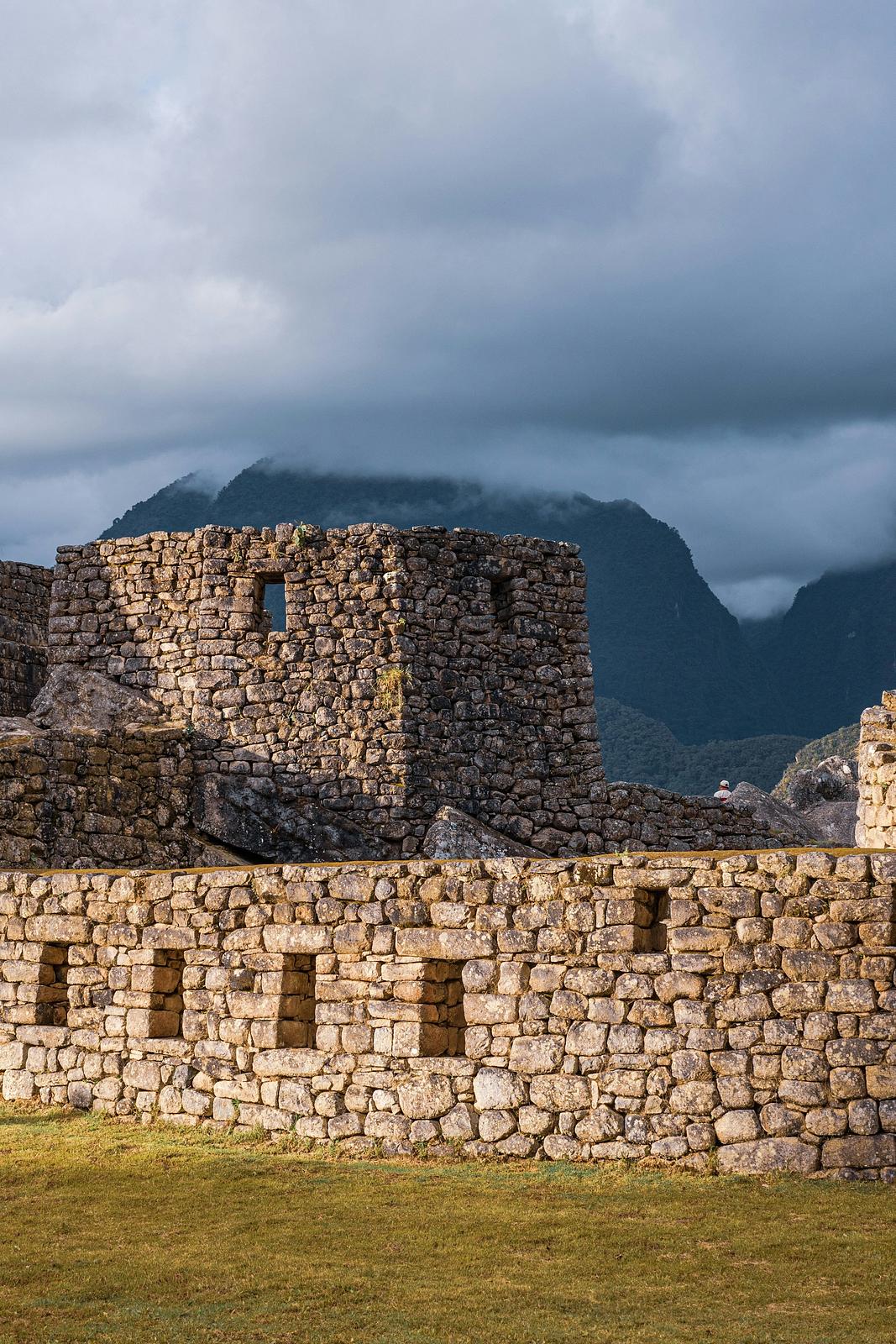
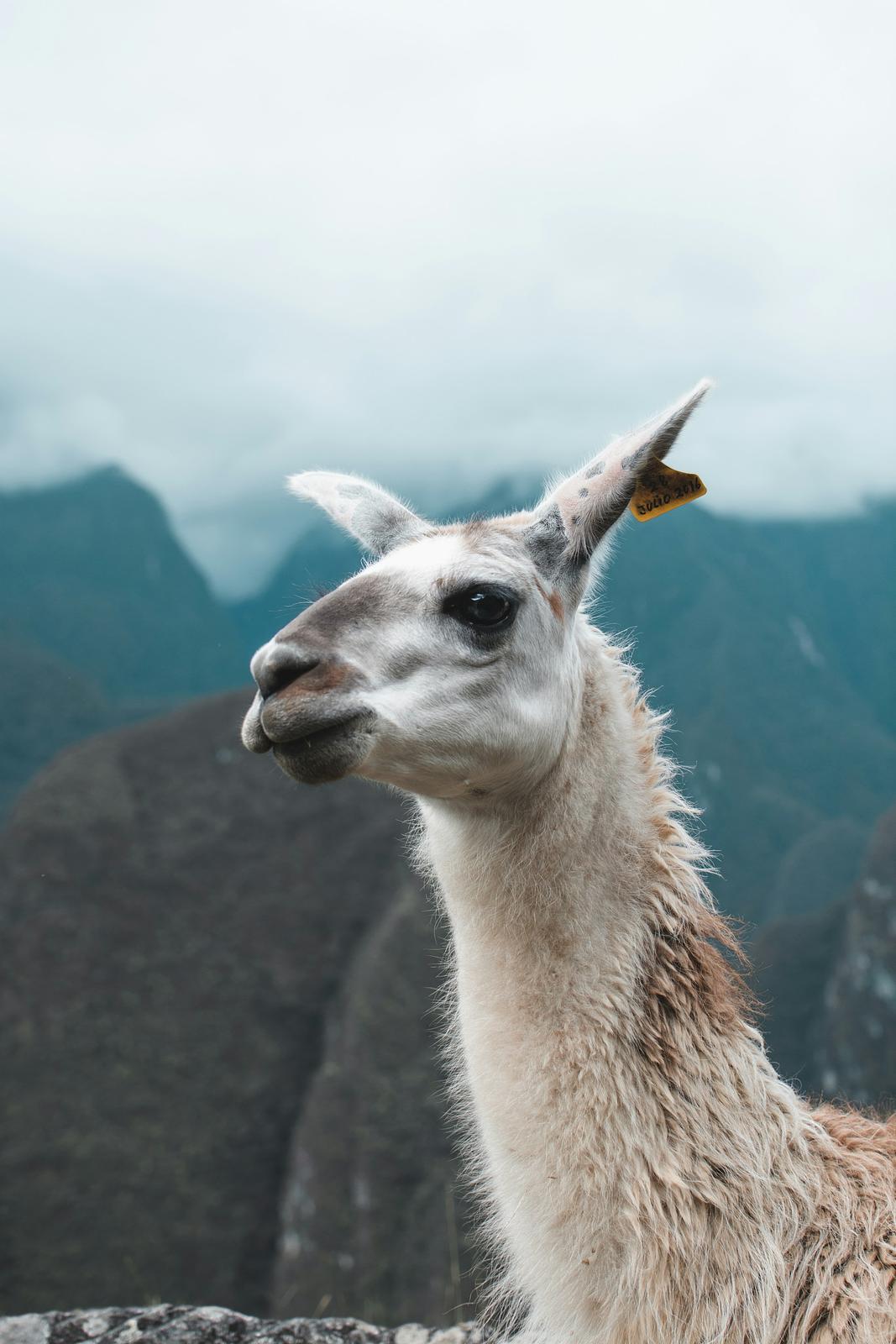
Machu Picchu is usually sold through one image: green peaks, pale stone, a heroic llama if the photographer got lucky. The real place is far more interesting. Built in the 15th century, probably as a royal estate for the Inca ruler Pachacuti, it was not a “lost city” waiting patiently for a Yale professor. Local people knew it was there long before Hiram Bingham brought it to international attention in 1911. Its luck was different: the Spanish never seem to have found it, so the mountain palace escaped the usual fate of being dismantled, recycled or politely ruined. At 2,430 metres above sea level, Machu Picchu sits high above the Urubamba River, between the old mountain and Huayna Picchu. It looks theatrical, but almost nothing here is just theatre. The terraces are beautiful, yes, but they also hold the slope, drain the rain and create farmland. The water channels carry spring water through the site. The stone walls, fitted without mortar, are not showing off for tourists. They are earthquake smart. Even the trapezoid doorways have more common sense than many modern buildings. Then come the details that make the place linger. The Temple of the Sun curves around natural rock. The Intihuatana stone suggests ritual and astronomy, although calling it a simple sundial feels like putting a sticky note on a cathedral. Walk through the staircases, houses and ceremonial spaces and the postcard begins to collapse into something better: a royal estate, a sacred landscape, a piece of agricultural engineering and a political statement, all cut into the mountainside with terrifying calm.
Contact
- Phone
- +51 84 582030
- Website
- Visit website
Location