
Kyoto · Japan · To discover
Kiyomizu-dera
The temple that began with water
- A timber stage thirteen metres above the slope.
- A veranda built for performances offered to Kannon.
- Three streams caught in long handled ladles.
- €1–3 / person
- Southern Higashiyama
- Buddhist temple
- 30–60 minutes
At Kiyomizu-dera, the best view is the one you get after leaving the famous veranda. Walk on to the terrace of Okuno-in and turn around. From here, the main hall projects over the hillside, its veranda some thirteen metres above the slope. You can see the timber posts beneath it and the braces that run through them in both directions. From the railing you’ve just left, there’s little sense of how much wood it takes to put a floor there.
The present hall dates to 1633. Its veranda was built for performances offered to Kannon, the bodhisattva of compassion, whose image is enshrined inside. It also gave Japanese an expression for making a bold decision. To jump from the stage of Kiyomizu is to take the plunge. People once did so quite literally, with a prayer to Kannon. The expression asks rather less of you these days.
Kiyomizu-zaka, the uphill street to the main gate, is lined with shops and food stalls. By the time you reach the veranda, you may have to wait for a place at the rail. The temple opens at six, a good hour to come if you’d like a little room to look.
Below the stage, the water at Otowa falls in three thin streams. According to the temple’s founding story, the monk Enchin enshrined an image of Kannon above the falls in 778. The temple takes its name from the purity of that water. People still reach out to catch it in long handled ladles, drawing them back carefully before they drink.
- Urban setting Southern Higashiyama
- Historic setting Former religious building
- Garden
Good to know.
- Location
-
1-chōme-294 Kiyomizu, Higashiyama Ward, Kyoto, 605-0862, Japan
Open map & directions - Contact
-
+81 75-551-1234
kiyomizudera.or.jp - Opening hours
-
- Monday 06:00–18:00
- Tuesday 06:00–18:00
- Wednesday 06:00–18:00
- Thursday 06:00–18:00
- Friday 06:00–18:00
- Saturday 06:00–18:00
- Sunday 06:00–18:00
- Parking
Paid municipal parking is available nearby at the Kiyomizuzaka Tourist Car Park.
- Getting around
Take Kyoto city bus 206 from Kyoto Station to Gojozaka, then walk uphill for about ten minutes. From Keihan Kiyomizu-Gojo Station, allow about 25 minutes on foot.
- Arriving
Enter via Kiyomizu-zaka and the Nio-mon Gate, or via Chawan-zaka. Some navigation apps suggest routes that do not lead into the grounds.
- Pets
Assistance dogs are permitted.
- Accessibility
The official visitor guide links to a wheelchair route map. The approach is uphill and parts of the grounds have steps. See the temple FAQ for disability admission arrangements.
- Travelling with children
Primary and junior high school pupils qualify for reduced admission.
Worth knowing
Regular hours are 06:00–18:00, with ordinary closing at 18:30 in July and August. Special evening hours vary by date. The 2026 autumn illumination runs 21–30 November until 21:30, with last entry at 21:00.
The grounds are an active place of worship. The temple asks visitors to keep their voices down and permits drinks in resealable containers.
A few places to make it your own.
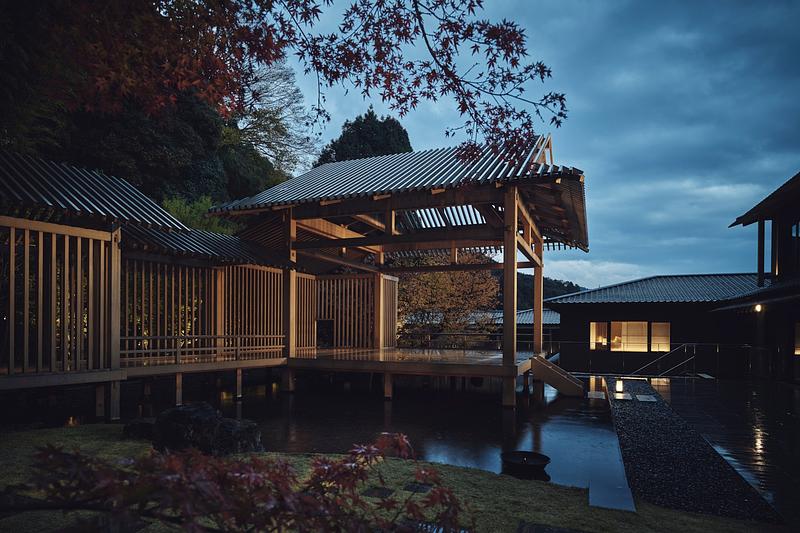
To stay · Kyoto
Banyan Tree Higashiyama
Up in Kyoto’s Higashiyama hills, Banyan Tree has a Noh stage by Kengo Kuma & Associates, seasonal kaiseki at Ryozen and wooden baths fed by a hot spring. A few of the baths look straight into the bamboo.
Discover this place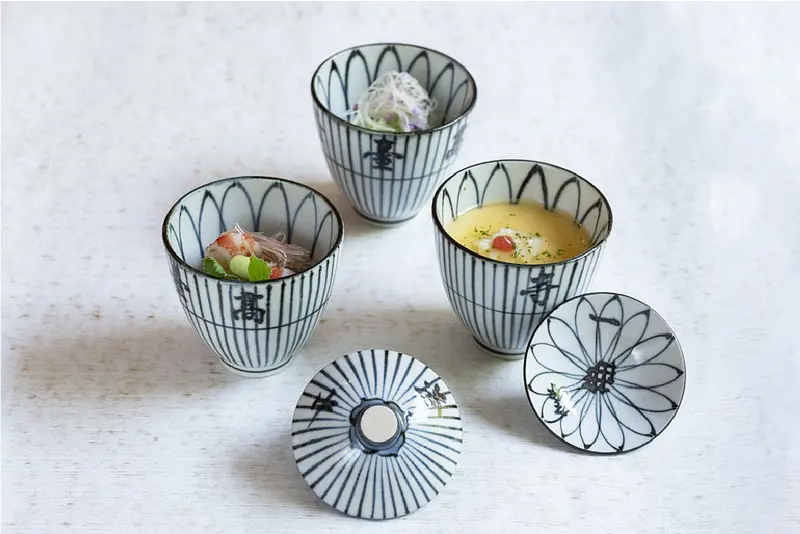
To eat · Kyoto
Kyoyamato
Kyoyamato serves seasonal Kyoto kaiseki in private rooms above Ninenzaka, on the site of secret talks against the Tokugawa shogunate. Ask for the main hall for a view of Yasaka Pagoda.
Discover this place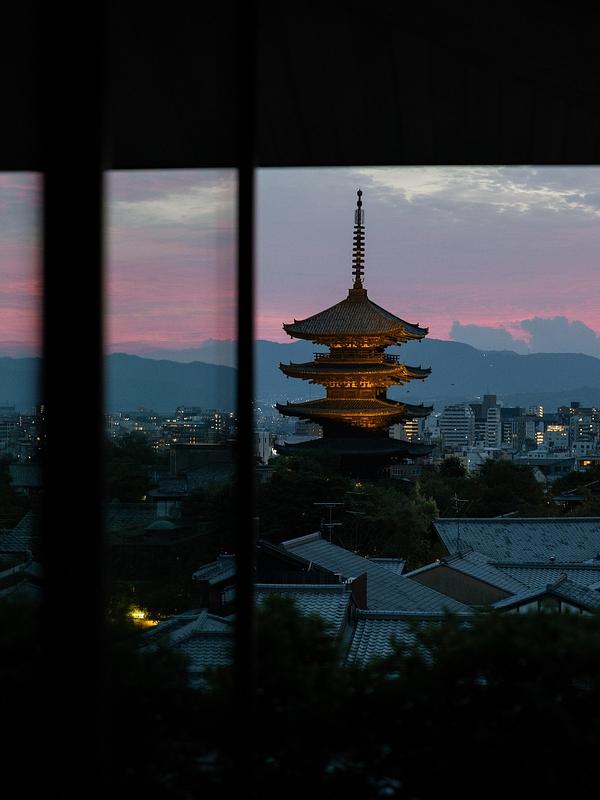
To stay · Kyoto
Park Hyatt Kyoto
Above Kyoto’s historic Ninenzaka lanes, this 70-room Park Hyatt shares its grounds with a former samurai meeting place. Warm timber interiors, centuries-old gardens and spectacular views of Yasaka Pagoda make for an exceptional address.
Discover this placeAbout this edit · 9 sources
- Visitor guide Read 2026-11-22
- Grounds and events Read 2026-11-22
- Visitor FAQ Read 2026-11-22
- Temple etiquette Read 2026-11-22
- Kiyomizu-dera visitor information Read 2026-11-22
- Kiyomizudera Temple Read 2026-11-22
- Kiyomizu-dera Read 2026-11-22
- Historic Monuments of Ancient Kyoto Read 2026-11-22
- 20 November 2026 euro reference rates Read 2026-11-22