
Kyoto · Japan · To discover
Nanzen-ji
The Zen temple that began as an emperor’s villa
- Lake Biwa water runs above red-brick arches.
- The Sanmon’s deep eaves frame the temple hall.
- A retired emperor’s villa became a Zen temple.
- €0–7 / person
- Nanzenji Fukuchichō, Sakyō Ward
- Temple
- 45–90 minutes
The tiled roof of the Sanmon is some 22 metres above the ground. You can see it from well down the approach to Nanzen-ji. Get close and the roof all but disappears. Now it’s the timber posts you notice, one row behind the other in the shade. They divide the space beneath the eaves into three passages. The middle one frames the Hattō, the temple’s ceremonial hall.
From the balcony upstairs, the view is in the opposite direction, west over Kyoto. In the kabuki play Sanmon Gosan no Kiri, the outlaw Ishikawa Goemon looks out from the gate over a city in cherry blossom. Zekkei kana, he declares. What a splendid view. He has the best line in the building, which is good going for a man executed some three decades before it went up.
The present gate dates to 1628. The feudal lord Tōdō Takatora rebuilt it in memory of retainers killed in the Summer Siege of Osaka. Behind the balcony, in the upper chamber, are memorial tablets for members of his household. Kabuki sends you upstairs for the view. The tablets tell you what the room was for.
Back at ground level, you cross to the Hattō. The hall was rebuilt in 1909, more than six centuries after the retired emperor Kameyama turned his villa into a Zen temple. The temple has a good story about how that came about. Strange disturbances had been troubling the villa. The Zen master Mukan Fumon and his monks stayed there and went about their day. They sat in meditation, swept and chanted. The disturbances ceased. In 1291, Kameyama made Mukan the founding abbot of what would eventually become Kyoto’s highest-ranking Zen monastery.
From the hall, turn towards the hillside. The red-brick arches of the Suirokaku come into view, one framing the next. From underneath, you can see clear through the arcade. To see what it carries, follow the path uphill. Water from Lake Biwa runs in an open channel along the top.
The aqueduct went up in 1888, when Kyoto was looking for ways to revive its economy after the imperial court moved to Tokyo. The canal project, led by the young engineer Sakurō Tanabe, would give Kyoto a route for boats and water to generate electricity. The branch through the temple grounds supplied fields and provided water for fighting fires. On Tanabe’s drawing, those handsome arches are simply the bridge at Nanzen-ji.
Beyond the arches lies Nanzen-in, the subtemple on the site of Kameyama’s villa. Trees enclose the pond garden, with an island in the upper pond and stonework at the head of a waterfall. The temple cites a record of what was brought here when the garden was laid out. The cherry trees came from Yoshino, the maples from Tatsuta and the frogs from Ide.
- Urban setting Nanzenji Fukuchichō, Sakyō Ward
- Historic setting Former residential building
- Garden
Good to know.
- Location
-
86 Nanzenji Fukuchichō, Sakyo Ward, Kyoto, 606-8435, Japan
Open map & directions - Contact
-
+81 75-771-0365
nanzenji.or.jp - Opening hours
-
- Monday 08:40–17:00
- Tuesday 08:40–17:00
- Wednesday 08:40–17:00
- Thursday 08:40–17:00
- Friday 08:40–17:00
- Saturday 08:40–17:00
- Sunday 08:40–17:00
- Parking
Passenger cars pay ¥1,000 (about €5.66) for up to two hours, then ¥500 (about €2.83) per additional hour. The first lot may be reserved for tour buses from mid-November to mid-December.
- Getting around
Take the Tōzai subway line to Keage, then walk about 10 minutes. The Higashi Tennōchō and Nanzenji-Eikandō-michi city bus stops are also about 10 minutes away on foot.
- Arriving
From Keage Station, the Nejiri Manpo brick tunnel is a shortcut. On the main approach, you reach the Sanmon before the Hattō.
- Accessibility
The grounds include paved stretches, gravel, slopes and steps. The temple recommends a companion for wheelchair users and lends an indoor wheelchair for Hōjō garden visits. The Sanmon balcony requires stairs.
- Travelling with children
The temple publishes separate admission rates for elementary and junior-high pupils and for high-school students.
Worth knowing
Listed hours are standard paid-area hours from March through November. From December through February, closing is at 16:30. Last admission is 20 minutes before closing. General visits are suspended December 28–31. Seasonal events may have separate hours.
Regular access to Nanzen-in is suspended until spring 2027. The temple announces limited special openings separately.
The temple prohibits eating and drinking on the grounds. Tripods and monopods are prohibited, and commercial photography requires permission.
A few places to make it your own.
To eat · Kyoto
Hyotei
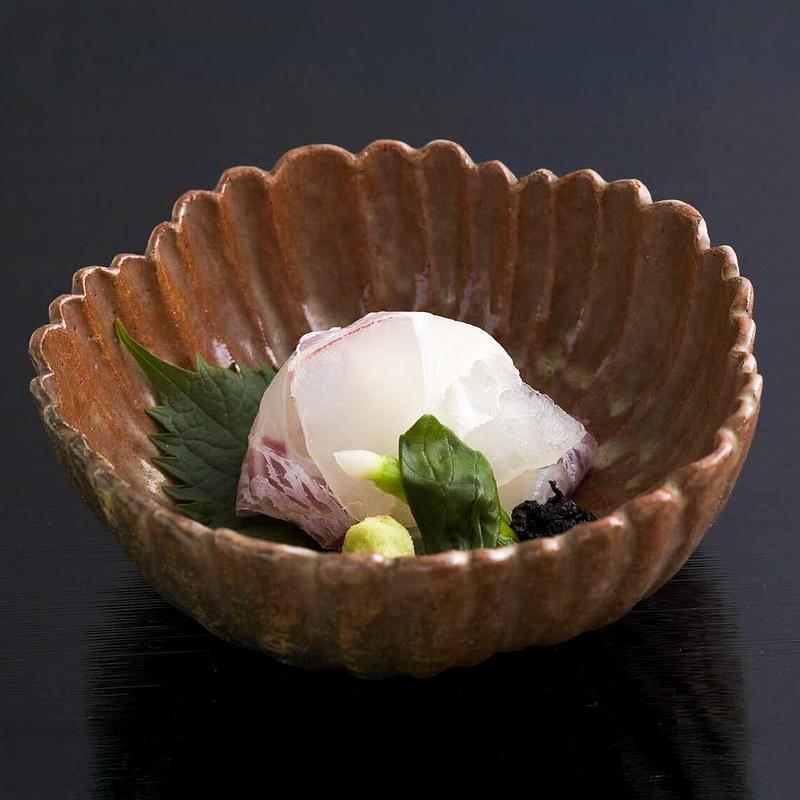
A teahouse on the approach to Nanzen-ji became Hyotei in 1837. Today, across the garden bridges, Kyoto kaiseki brings together the house’s soft-yolked egg and Yoshihiro Takahashi’s Akashi sea bream with tomato and soy.
Discover this place
To eat · Kyoto
Koan
A few stone steps off Kyoto’s Philosopher’s Path lead to Koan, a coffee bar in a once-vacant house. Copenhagen-roasted coffee, old window glass and a zelkova table make a good case for lingering.
Discover this place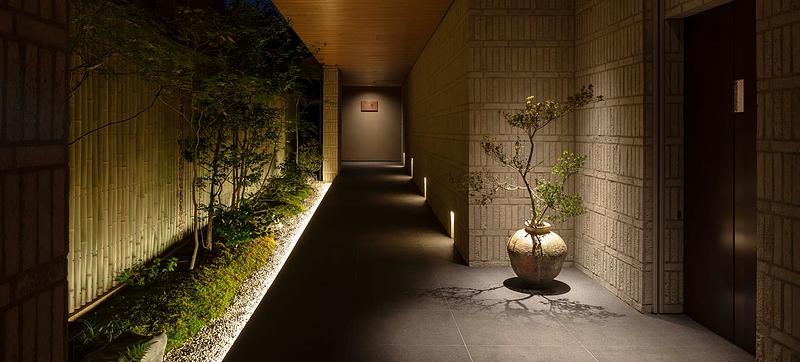
To stay · Kyoto
眞松庵 Shinsho-an
Near Kyoto’s Nanzenji temple, Shinsho-an pairs four guest rooms with a restored 1966 pavilion. At Higashiyama Ogata, dinner follows the seasons at a counter overlooking the garden, and breakfast comes to your room.
Discover this placeAbout this edit · 12 sources
- Admission and opening hours Read 2026-11-15
- Getting there and parking Read 2026-11-15
- Wheelchair access Read 2026-11-15
- Precinct and building guides Read 2026-11-15
- Temple history Building origin refers to the site’s origin as an imperial villa. · Read 2026-11-15
- Nanzen-in access notice Read 2026-11-15
- Rules for the precinct Read 2026-11-15
- Special access to the Sanmon inner chamber Read 2026-11-15
- Temple history and Hōjō garden Read 2026-11-15
- Suirokaku designation Read 2026-11-15
- Historic Monuments of Ancient Kyoto components Read 2026-11-15
- Euro reference exchange rate for Japanese yen 13 November 2026 reference rate of ¥176.83 per €1. · Read 2026-11-15