Petra
8FH9+3HG, Wadi Musa, Jordan
About
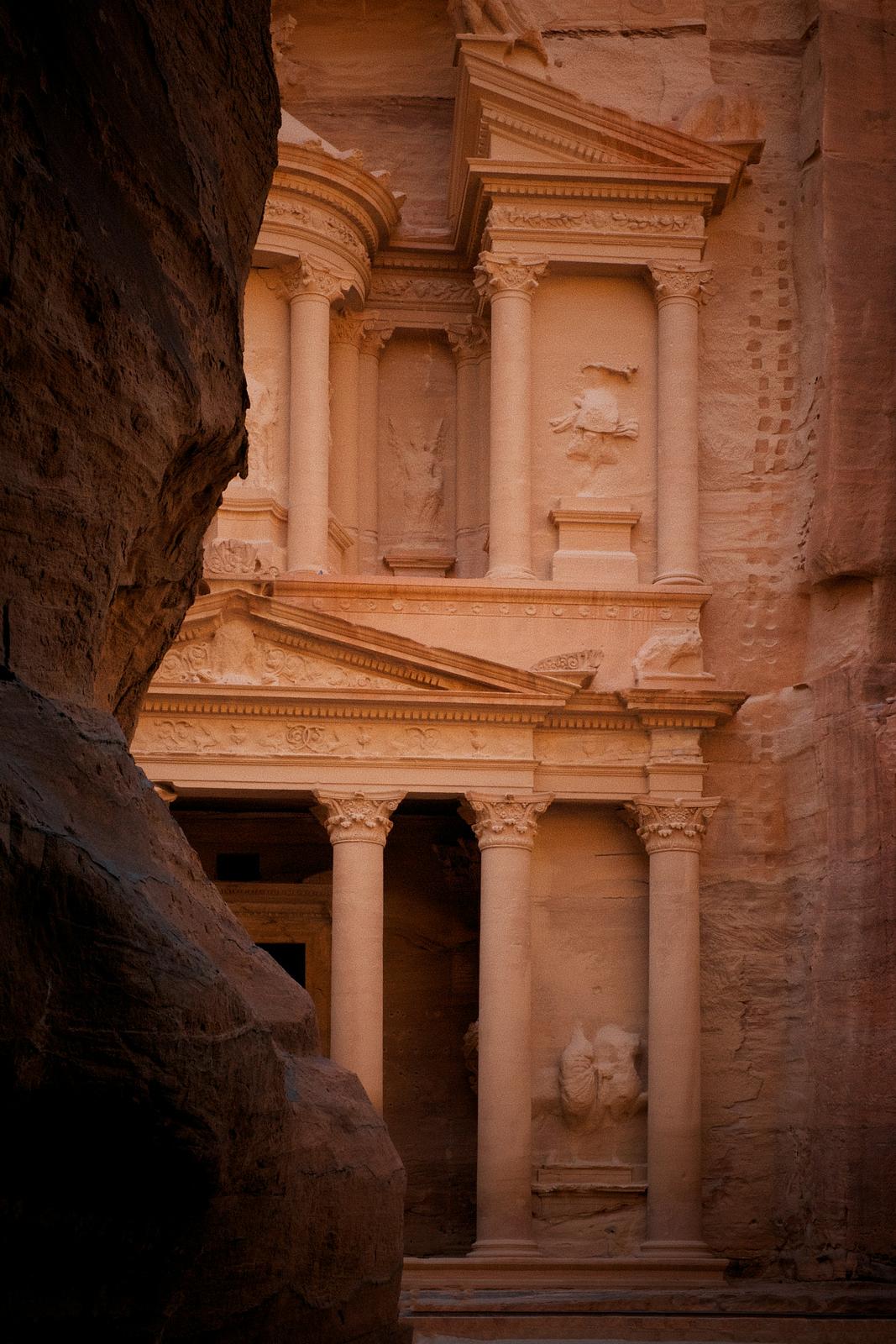
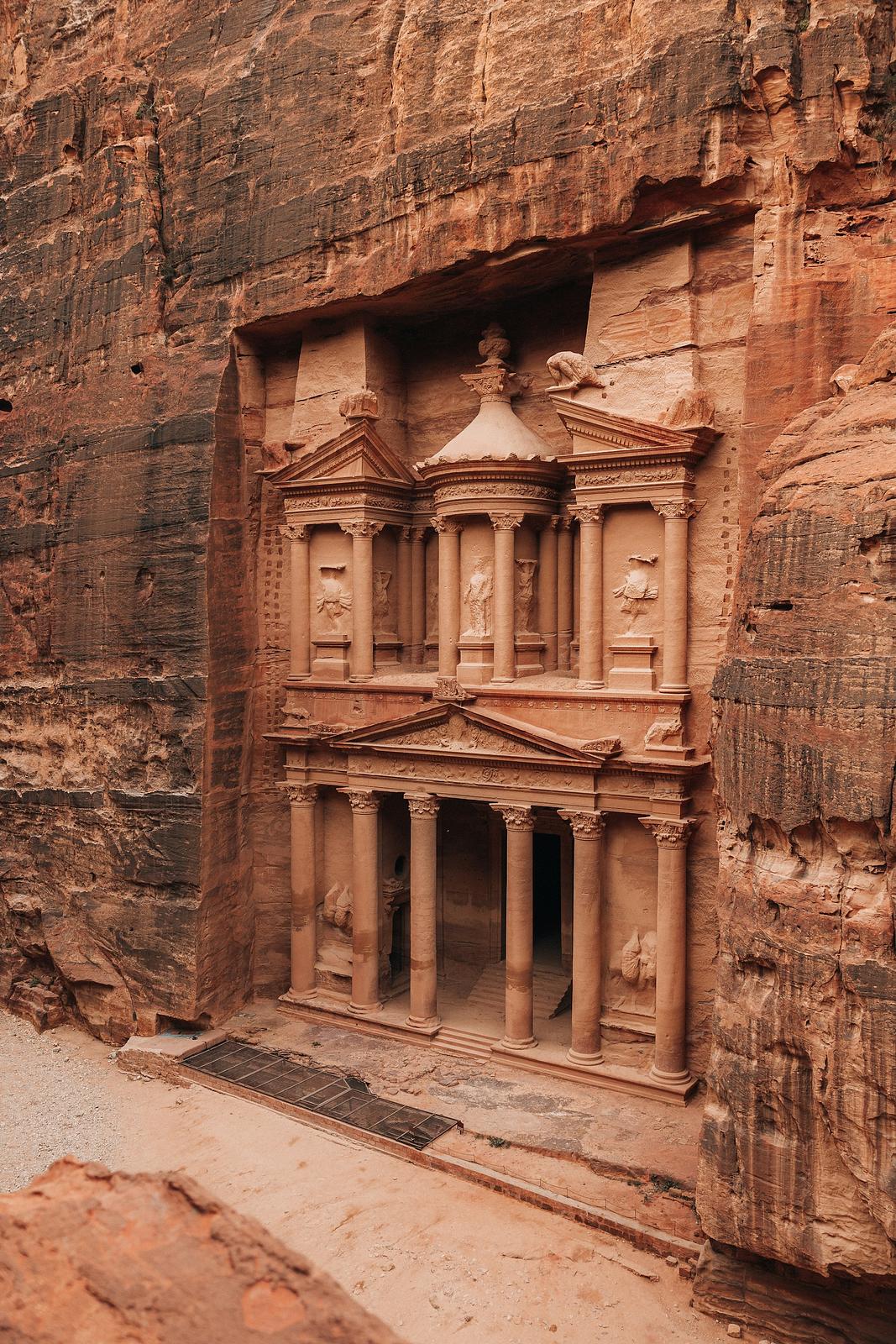
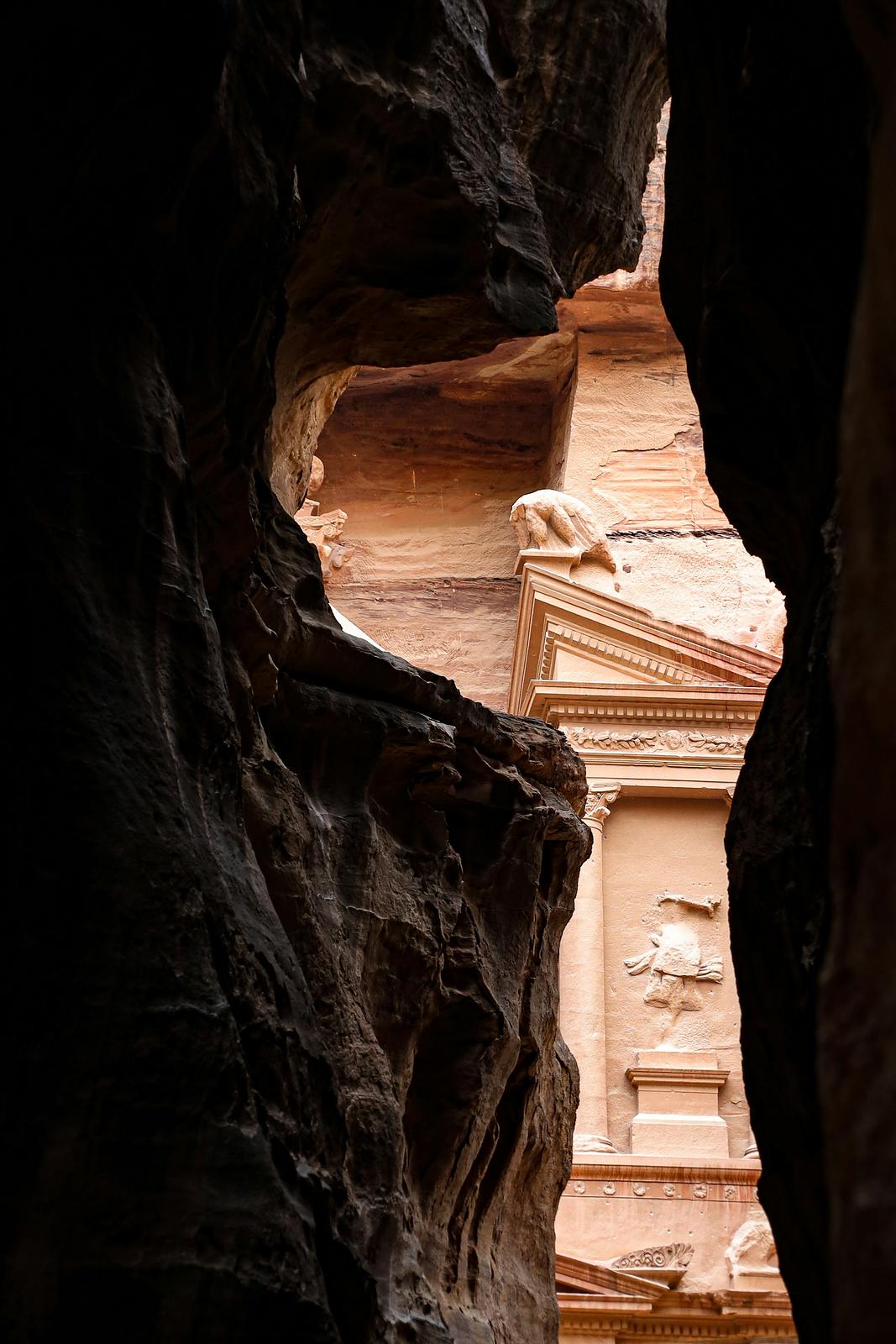
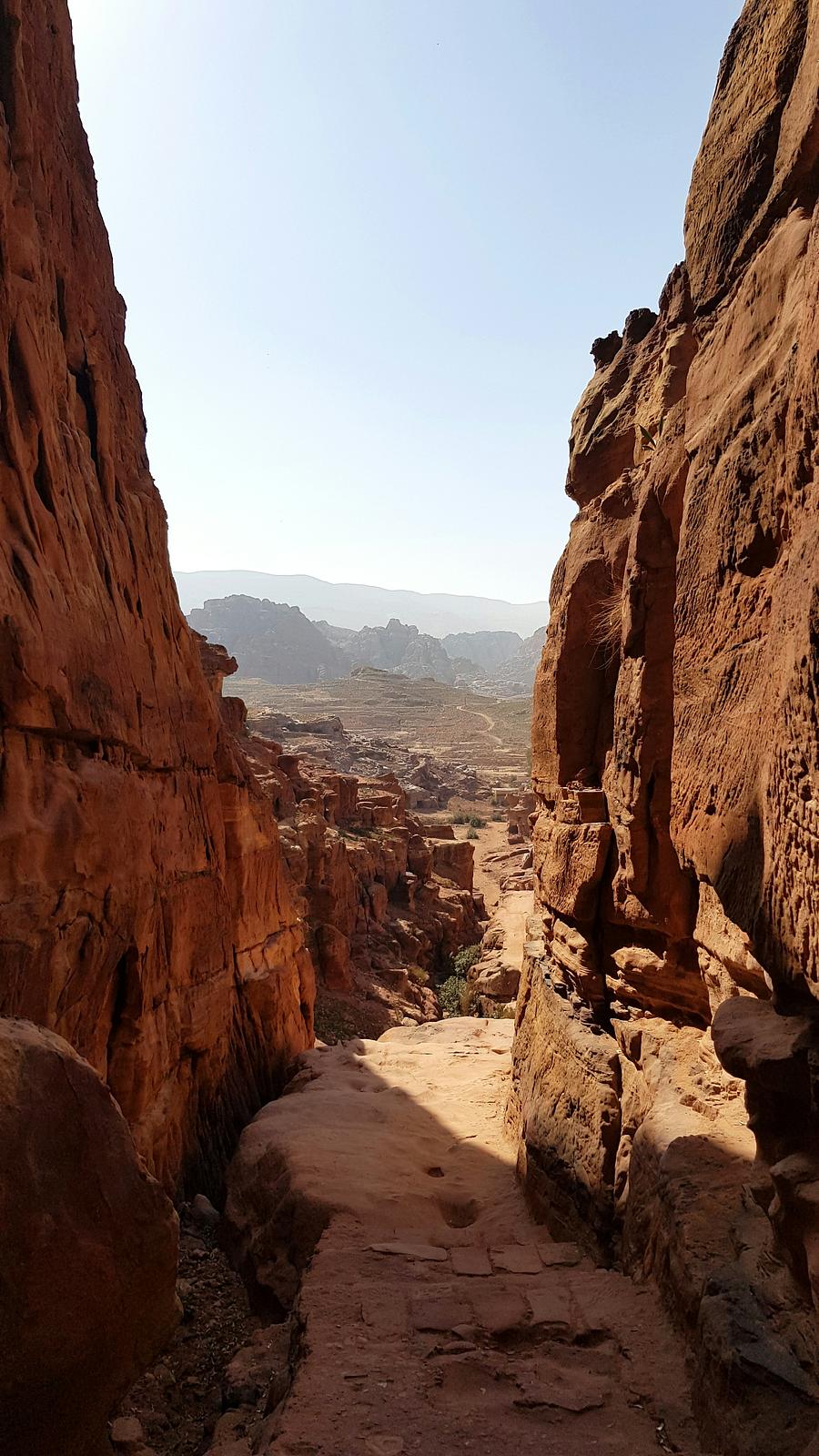
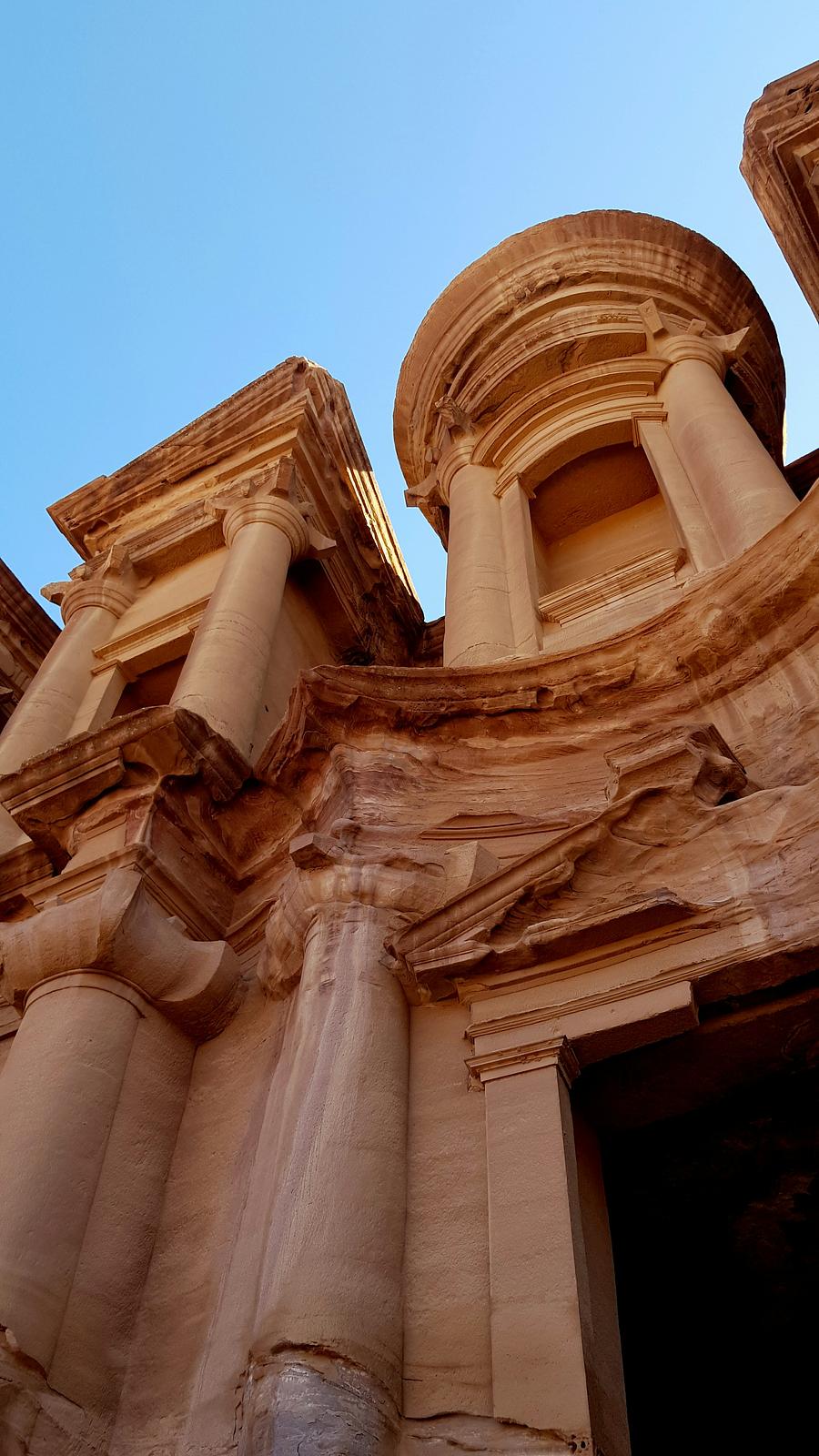
Petra begins with a very clever bit of theatre. You walk through the Siq, a narrow sandstone gorge that twists for over a kilometre, with water channels still visible along the rock walls, a reminder that the Nabataeans were not simply carving monuments, they were engineering a desert capital. Then the passage tightens, the light changes, and Al Khazneh appears through the crack ahead, absurdly elegant, as if someone had parked a Hellenistic temple inside a canyon for dramatic effect. The famous Treasury is only the opening act. Petra was a Nabataean caravan city, positioned between the Red Sea and the Dead Sea, where trade routes linked Arabia, Egypt and the Mediterranean world. That explains the odd, brilliant mix of styles: classical columns, local tomb architecture, rock cut stairways, sacred high places, and façades that turn geology into urban design. Keep walking and the site becomes less postcard and more city: royal tombs glowing in bands of pink and ochre, a theatre cut into the hillside, processional routes, temples, and finally the Monastery, Ad Deir, reached by a long climb that feels just smug enough to make the view taste better. What makes Petra unforgettable is the scale of the imagination. It is not just old stone. It is architecture, commerce, water management and showmanship fused into one extraordinary landscape. A civilisation looked at cliffs, floods, trade, heat and distance, and somehow made a capital that still knows exactly how to make an entrance.
Contact
- Phone
- +962 3 215 6060
- Website
- Visit website
Location