
Kyoto · Japan · To discover
Saihō-ji (Kokedera) Temple
Kyoto’s Most Beautiful Accident
- 49 characters before the garden
- More than 120 kinds of moss
- A pond shaped like a heart
- €23 / person
- Matsuo, Nishikyō-ku
- Zen buddhist temple
- 60–90 minutes
Before you see Saihō-ji's moss, you are asked to sit down and write. In the Sairai-dō hall, visitors trace 49 characters of a Buddhist sutra with a brush pen. No knowledge of Japanese is needed, and the exercise takes about fifteen minutes. The hall has a surprise of its own: 104 sliding door panels covered in bold abstract paintings by Dōmoto Inshō. It's an unusual beginning to a garden visit, but a deliberate one. Faced with growing crowds, the temple introduced its reservation system in 1977 to preserve its peaceful, religious atmosphere.
Saihō-ji wasn't always a moss garden. When the Zen master Musō Soseki restored it in 1339, the landscape featured white sand, pines, stone arrangements and a pond. Moss spread much later, helped by centuries of floods and disrepair. Today more than 120 varieties grow around Ōgonchi, the Golden Pond, whose outline resembles the Japanese character for 'heart'. Paths pass maples and old tea pavilions, with the moss changing in texture and colour at almost every turn.
The upper rock garden, an influential early example of Zen design, is normally closed, although selected special programmes allow access. A standard visit takes about an hour, including the sutra copying and a walk through the lower garden. Advance reservations are essential.
- Urban setting Matsuo, Nishikyō-ku
- Former religious building Historic setting
- Garden Reservation required
Good to know.
- Location
-
56 Matsuojingatanichō, Nishikyo Ward, Kyoto, 615-8286, Japan
Open map & directions - Contact
-
+81 75-391-3631
saihoji-kokedera.com - Parking
- No visitor car park on site. Nearby paid parking can be busy; the temple recommends public transport or a taxi. Bicycles and motorbikes may be parked at the entrance with staff guidance.
- EV charging
- The temple has no visitor car park and does not advertise on-site EV charging; use a separate public charging facility if driving.
- Getting around
- Kyoto Bus to Kokedera Temple, Suzumushidera Temple (about 3 minutes on foot); Kyoto City Bus to Suzumushidera Temple, Kokederamichi (about 10 minutes on foot); or Hankyu railway to Kamikatsura (about 15 minutes on foot).
- Arriving
- Advance reservation is mandatory; arrive for the booked admission time. From Kyoto Station, a taxi takes approximately 30 minutes depending on traffic. Taxis use the designated stopping point about 100 metres before the temple gate. Specify Saihō-ji Kokedera to avoid confusion with similarly named temples.
- Accessibility
- Not wheelchair accessible: the garden route has multiple steps and gravel surfaces. Walking sticks are permitted. A limited number of chairs are available during sutra copying in the main hall, but they cannot be reserved.
- Travelling with children
- Standard visits are for guests aged 13 and over, including when accompanied by adults. The temple occasionally offers separate child-friendly programmes; check the official special-programme calendar.
Worth knowing
- Advance booking is essential. Standard online reservations open two months ahead and close at 23:59 Japan time on the day before the visit; walk-ins are not accepted.
- Online reservations are limited to two visitors per booking and require an account and payment by credit card. The temple discourages visiting in larger groups.
- Published standard admission is a starting price, not a fixed maximum. A small additional online booking fee applies; check the booking calendar for the exact amount on your date.
- Sutra copying is part of the standard visit, not an optional add-on. No knowledge of Japanese is needed; guests unable to take part for a particular reason can speak to the staff.
- Children under 13 may only attend specifically designated child-friendly programmes.
- The upper rock garden is not included in the usual admission; it is offered only through selected special programmes.
- Garden photographs are allowed from the paths only. No photographs inside the buildings; tripods, selfie sticks and monopods are prohibited.
- No food may be eaten on the grounds. Drinks must be in closed containers.
- The paths include steps and gravel and are not wheelchair accessible. Chair seating for sutra copying is limited and cannot be prebooked.
- The usual visiting programme may be suspended during winter maintenance; check the official calendar. Dates and admission times cannot be changed directly, and cancellation rules apply.
A few places to make it your own.

To eat · Kyoto
Toraya Kyoto Ichijo Store
Toraya has supplied sweets to Japan’s Imperial Court for centuries, and its historic Kyoto address is now home to a serene garden café designed by Hiroshi Naito. Come for yōkan and matcha, linger for the architecture, then visit the nearby shop for beautifully made wagashi to take home.
Discover this place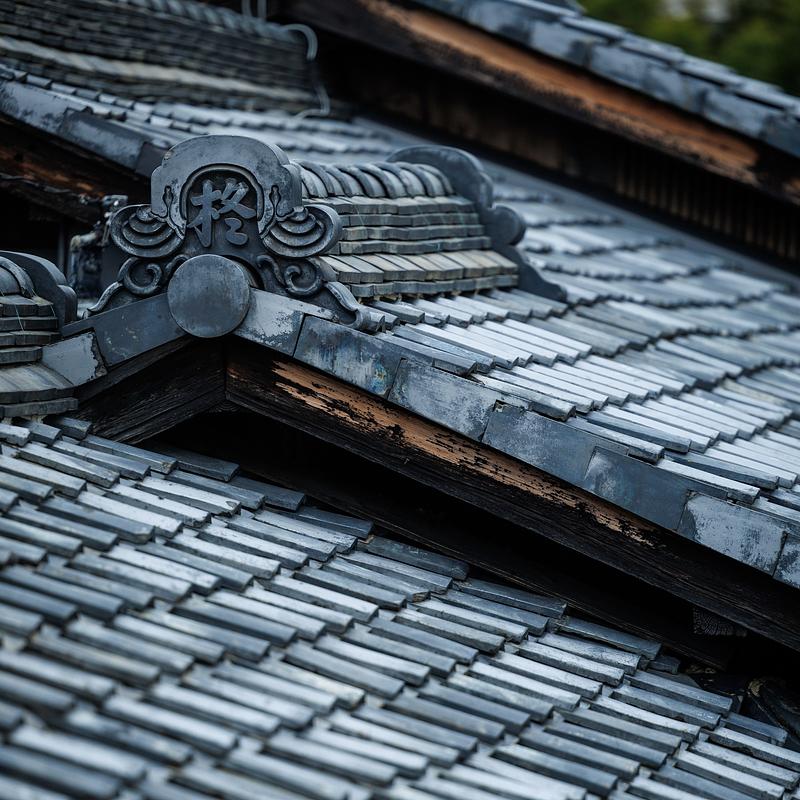
To stay · Kyoto
Hiiragiya
A family-run Kyoto ryokan whose old wooden rooms, garden views and deeply personal hospitality have welcomed guests since 1861. Come for the private seasonal kaiseki dinner; stay for the sense of being received into someone’s home.
Discover this place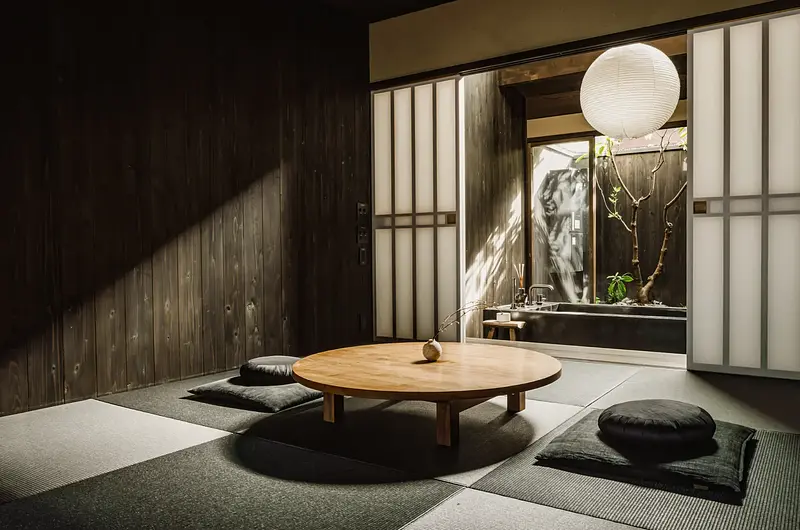
To stay · Kyoto
Maana Kamo
A century-old machiya near the Kamo River, carefully restored by architect Shigenori Uoya and rented as one private home. Original timber and clay meet a lacquered kitchen, tatami room, small courtyard and generous soaking bath.
Discover this placeAbout this edit · 9 sources
- Nichi-nichi Sanpai: Standard Visiting Programme Visit format, length, reservation policy and accessibility. · Read 2026-10-24
- Online Reservations Advance booking window, admission starting price, age restriction and cancellation terms. · Read 2026-10-24
- Frequently Asked Questions Rules for children, access, photographs, sutra copying, parking and the upper garden. · Read 2026-10-24
- A Guide to Saihoji Temple hall, gardens, 1339 history, pond, tea pavilions and artistic details. · Read 2026-10-24
- Copying Sutras to Calm Your Mind 49-character sutra, 15-minute practice and visitor options. · Read 2026-10-24
- Notice of System Fee Revision (22 October 2026) Transaction fee increase for payments from 29 October 2026. · Read 2026-10-24
- Moss at Saihoji History of the moss and the role of repeated flooding and disrepair. · Read 2026-10-24
- Historic Monuments of Ancient Kyoto: Maps Confirms Saihō-ji is a component of the World Heritage inscription. · Read 2026-10-24
- ECB Euro Reference Exchange Rate: Japanese Yen 23 October 2026 reference exchange rate: €1 = ¥175.51; used to estimate price in euros. · Read 2026-10-24