
Kyoto · Japan · To discover
Shōgunzuka Mound
A View of Kyoto
- A clay general lies here, according to legend.
- A former dōjō now houses Buddhist fire rituals.
- A timber terrace overlooks the Kyoto basin.
There’s room to lose your bearings on the timber terrace at Shōgunzuka. The Kamo River gives you a line to follow through Kyoto, and the streets spread out from it across the basin. The mound that gave the place its name is a modest rise in the grounds behind you. Without knowing the story, you might walk straight past it.
In 794, Emperor Kanmu moved his capital to what is now Kyoto. Local tradition has him surveying the basin from these eastern hills before ordering a clay general, two and a half metres tall, to be buried here in full armour, with a sword, bow and arrows. His job was to guard the new capital. A medieval chronicle gives him something to do: in 1179, the mound is said to have rumbled three times shortly before an earthquake.
The timber hall next door has a well-documented past of its own. It stood near Kitano Tenmangū and, after the war, served as a judo and kendo dojo for the police. Shōren-in saved it from demolition and reassembled it here in 2014 as Seiryūden, a Buddhist hall for fire rituals. Look up at the high windows over the old training floor before you look for the Blue Fudō. The fierce blue figure amid the flames is a faithful copy of the Heian-period painting kept in the inner sanctuary.
The terrace gets most of the attention, understandably. The garden is worth a slower turn, especially when the Japanese maples colour in autumn. From the west observation deck, you can make out the buildings of Osaka on a clear day. Even in haze, there’s plenty to look at closer in. Pick a street you walked that morning and see how far you can follow it from up here.
Good to know.
- Location
-
28 Zushiokukachōchō, Yamashina Ward, Kyoto, 607-8456, Japan
Open map & directions - Contact
- shogunzuka.com
A few places to make it your own.
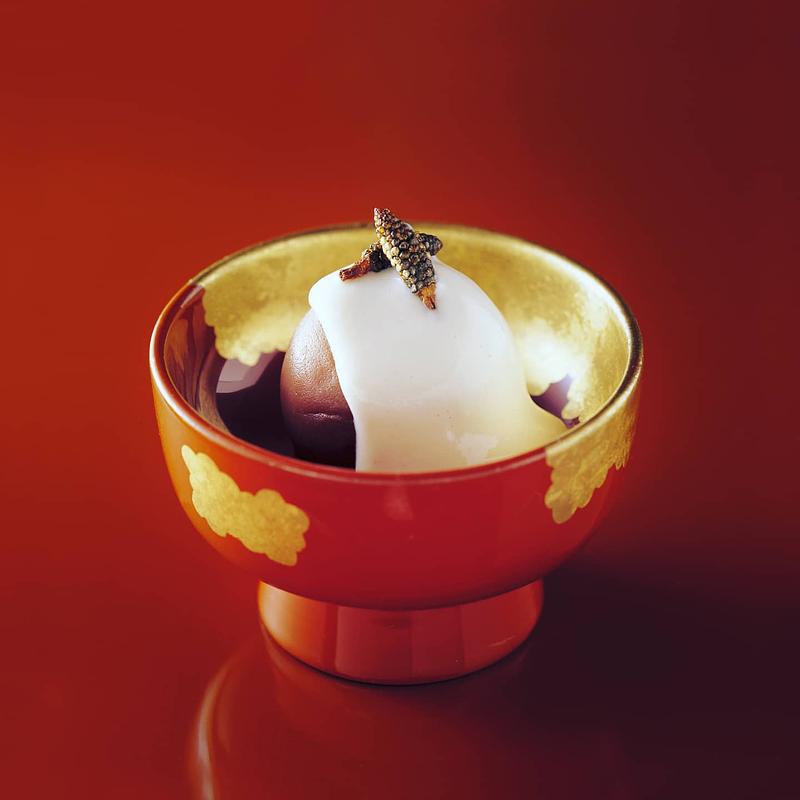
To eat · Kyoto
Kikunoi Honten
Named for a well once used for tea, this Kyoto restaurant has been in the Murata family since 1912. Yoshihiro Murata’s seasonal kaiseki is served in private rooms, some overlooking the garden.
Discover this place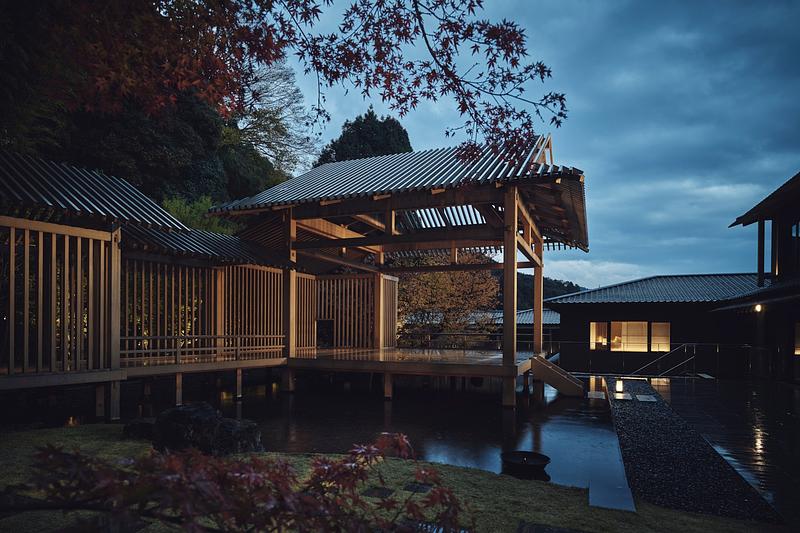
To stay · Kyoto
Banyan Tree Higashiyama
Up in Kyoto’s Higashiyama hills, Banyan Tree has a Noh stage by Kengo Kuma & Associates, seasonal kaiseki at Ryozen and wooden baths fed by a hot spring. A few of the baths look straight into the bamboo.
Discover this place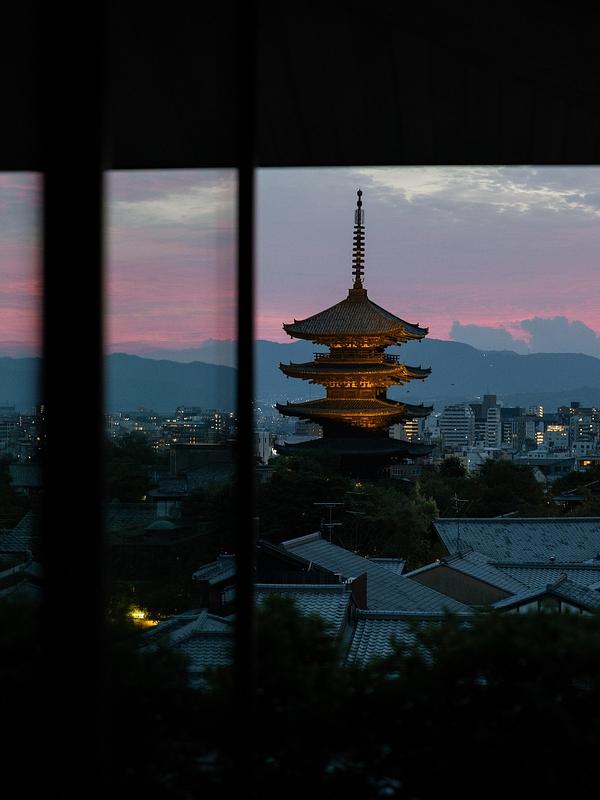
To stay · Kyoto
Park Hyatt Kyoto
Above Kyoto’s historic Ninenzaka lanes, this 70-room Park Hyatt shares its grounds with a former samurai meeting place. Warm timber interiors, centuries-old gardens and spectacular views of Yasaka Pagoda make for an exceptional address.
Discover this place