
Kyoto · Japan · To discover
Tenryu-ji
A Zen garden that borrows the mountains
- A Zen pond garden that borrows the Arashiyama hills.
- A 1957 screen dragon and a 1997 ceiling dragon.
- Tatami halls, seasonal gardens and a route to the bamboo grove.
- €3–8 / person
- Saga-Arashiyama, Ukyo Ward
- Zen temple
- 45–120 minutes
At Tenryū-ji, the most compelling view is found beside a pond. From the broad wooden veranda of the Daihōjō, the Sōgenchi Garden seems to continue into the wooded slopes of Arashiyama. This is shakkei, the Japanese art of borrowed scenery, as conceived here by Zen master Musō Soseki in the 14th century. Look carefully at the stones across the water: they evoke a legendary waterfall where a carp transforms into a dragon, an image of enlightenment.
The temple was founded in 1339 by the shogun Ashikaga Takauji in memory of Emperor Go-Daigo. Eight major fires later, its oldest surviving masterpiece is largely the garden; most of the principal buildings were rebuilt around the turn of the 20th century. Inside the Daihōjō, generous tatami rooms frame the landscape, while a gold-toned dragon sprawls across sliding screens painted by Wakasa Butsugai in 1957. A second, very different dragon watches from the ceiling of the Dharma Hall, when that building is open for viewing.
Take time to follow the paths through seasonal plantings towards the north gate and the famous bamboo grove beyond. An advance-booked vegetarian lunch at the temple's Shigetsu restaurant can extend the visit. Arashiyama is busy, especially in blossom and autumn-leaf season, so arrive early if you want time to appreciate the garden rather than simply photograph it.
- Former religious building Historic setting
- Garden
- Restaurant Reservation required
Good to know.
- Location
-
Japan, 〒616-8385 京都府京都市右京区嵯峨天龍寺芒ノ馬場町68
Open map & directions - Contact
-
+81 75-881-1235
tenryuji.com - Parking
- An on-site paid car park operates on a first-come, first-served basis, without reservations. The temple lists space for approximately 100 cars, with access during its normal daytime hours. Arashiyama traffic can be slow during peak seasonal periods.
- Getting around
- The Randen (Keifuku) Arashiyama tram stop is about a five-minute walk. JR Saga-Arashiyama Station is about 13 minutes away on foot, and Hankyu Arashiyama Station about 15 minutes. Kyoto City Bus services stop at Arashiyama Tenryuji-mae; train or tram is usually the more convenient choice during crowded periods.
- Arriving
- Enter from the main garden or temple-building reception near the central complex, or from the north gate when coming from the Sagano bamboo grove. The garden normally opens at 08:30, with last admission at 16:50; temple interiors and the Dharma Hall have separate opening arrangements. Check the official calendar for ceremonies, seasonal early openings and temporary closures.
- Accessibility
- Parts of the garden can be explored by wheelchair, but accessibility is not uniform. Some paths are gravel or gently sloping, and temple interiors, thresholds and the northern approach may involve steps. A visitor accessibility guide reports an accessible toilet and a number of ramps, but not all halls are step-free. Contact the temple before visiting if a fully accessible route is essential.
- Travelling with children
- Children are welcome. The garden is best enjoyed at a gentle walking pace, and adults should supervise youngsters near the pond, steps and gravel paths. Reduced child admission applies; preschool visitors are admitted free of charge. Meditation and sutra-copying activities are separate from a standard family visit.
- Dietary options
- Vegetarian and Vegan
Worth knowing
- The garden, main temple buildings and Dharma Hall Cloud Dragon are separate admission options; the indicative budget covers admission only, not meals or workshops.
- The Dharma Hall dragon is usually viewable on weekends and public holidays, with additional daily exhibition periods. Ceremonies, weather and scheduled closures may affect access.
- The main temple buildings can close for religious ceremonies with little notice. Their hours may finish earlier than the garden.
- For 2026 the temple lists special autumn Cloud Dragon access from 19 September to 6 December, with restrictions around 28 to 30 October. Verify the current calendar before travelling.
- Shoes must be removed when entering applicable temple interiors. Respect signs and ask before photographing artworks or religious spaces.
- The garden has gravel and uneven or stepped sections; accessibility varies by route and building.
- Shigetsu serves Zen vegetarian cuisine for lunch and requires advance reservations. It is closed on Thursdays.
- The working monastic training hall is not part of the public visit.
A few places to make it your own.
To shop · Kyoto
Kyukyodo
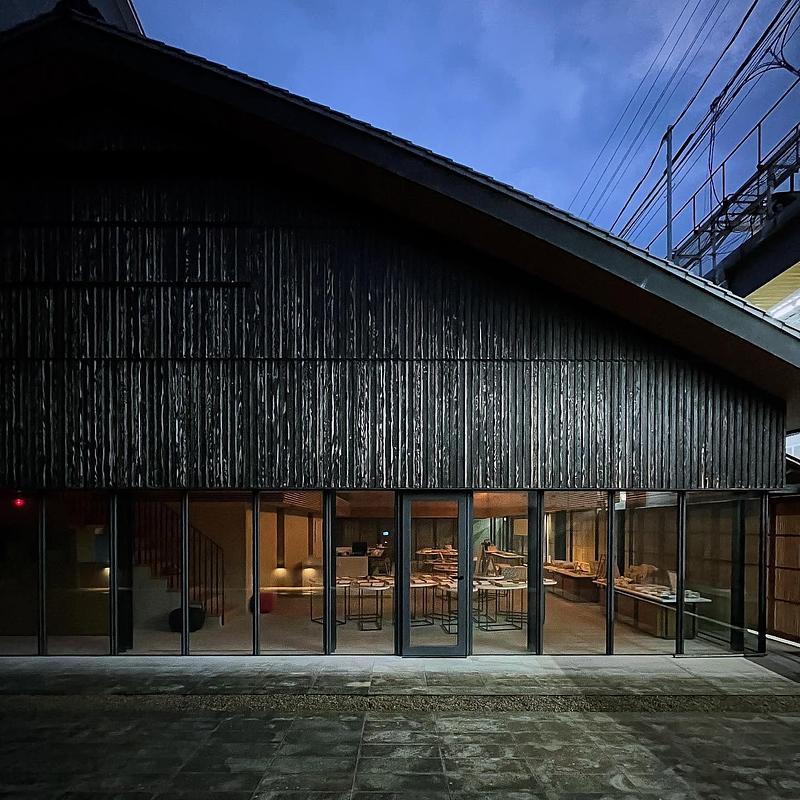
On Kyoto’s Teramachi street, amid the churn of modern retail, Kyukyodo offers a far older idea of shopping. Founded in 1663, when Kyoto still moved to imperial rhythms and Louis...
Discover this place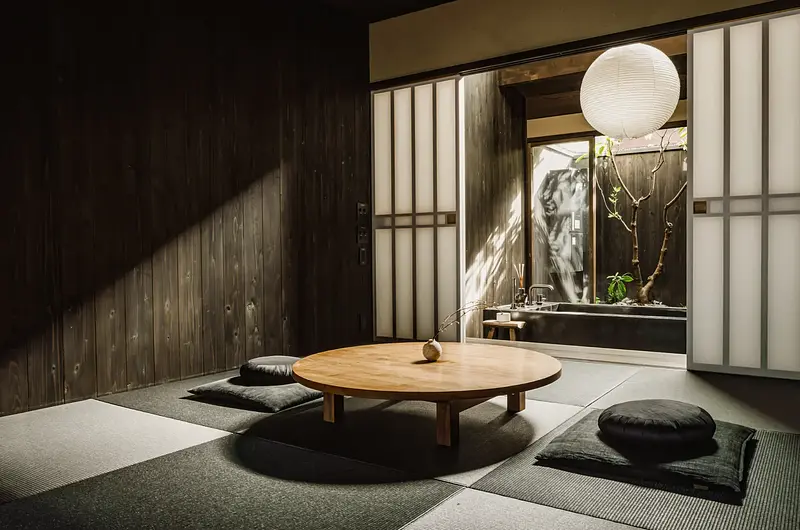
To stay · Kyoto
Maana Kamo
A century-old machiya near the Kamo River, carefully restored by architect Shigenori Uoya and rented as one private home. Original timber and clay meet a lacquered kitchen, tatami room, small courtyard and generous soaking bath.
Discover this place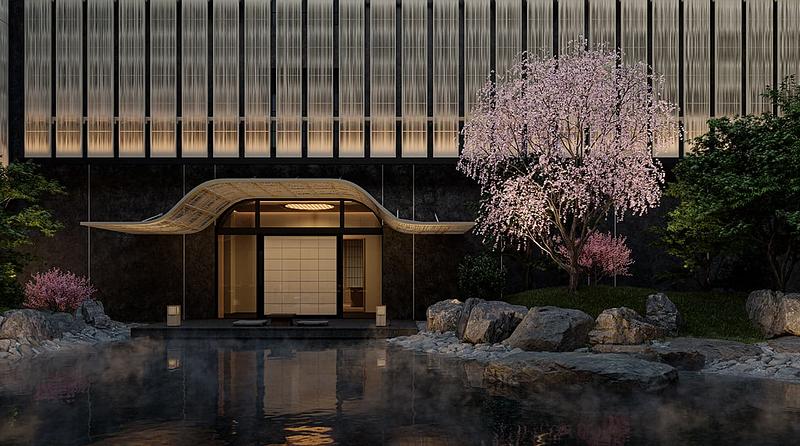
To stay · Kyoto
Capella Kyoto
In Kyoto’s quietly theatrical Higashiyama district, Capella Kyoto introduces a refined interpretation of Japanese hospitality that feels deeply rooted yet unmistakably contempor...
Discover this placeAbout this edit · 8 sources
- Admission and Access Opening hours, entry options, public transport, parking and separate building and dragon tickets. · Read 2026-10-20
- What to See at Tenryu-ji Sōgenchi Garden, shakkei, Daihōjō sliding-screen dragon, architecture, pathways and working-monastery restrictions. · Read 2026-10-20
- About Tenryu-ji Founding in 1339, Musō Soseki, Ashikaga Takauji, fires and reconstruction. · Read 2026-10-20
- Cloud Dragon Painting Artist and date of the ceiling dragon, admission conditions and 2026 exhibition calendar. · Read 2026-10-20
- Activities and Events Public meditation schedule and sutra copying arrangements. · Read 2026-10-20
- Shigetsu Zen Vegetarian Restaurant Restaurant cuisine, hours, closures and reservation policies. · Read 2026-10-20
- Historic Monuments of Ancient Kyoto UNESCO designation as one of the seventeen component sites, inscribed in 1994. · Read 2026-10-20
- Wheelchair guide to Tenryū-ji Independent, route-specific visitor accessibility report; facilities and restrictions should be reconfirmed directly. · Read 2026-10-20